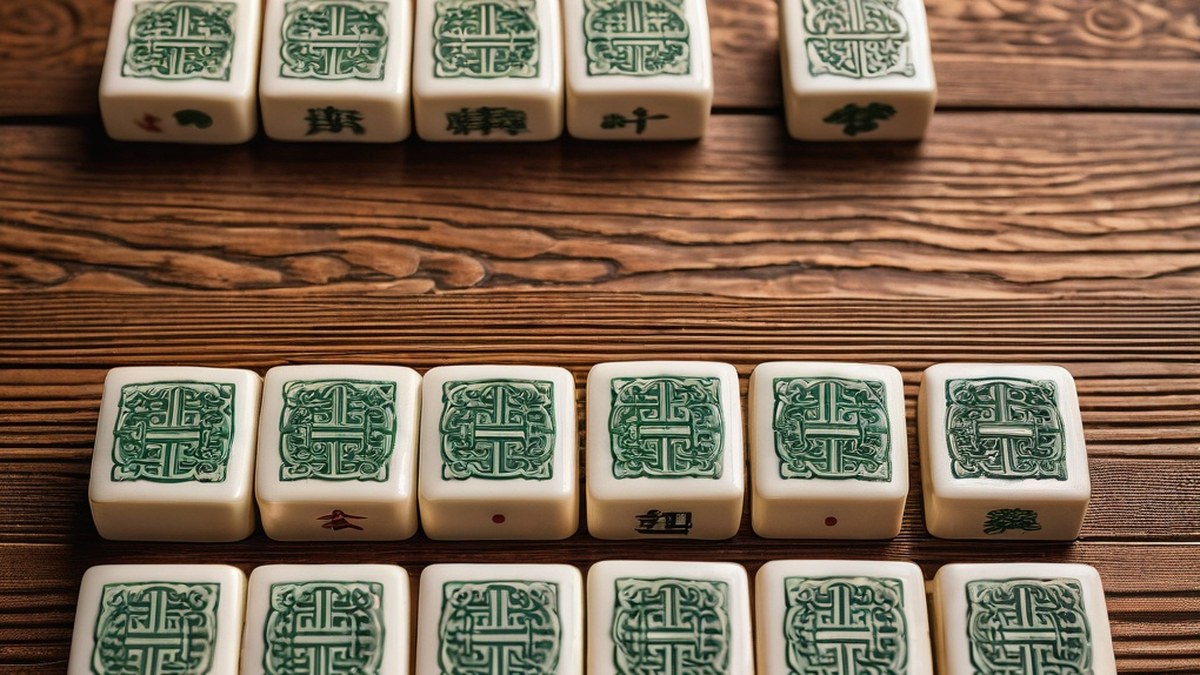
Mahjong developed in China during the 19th century, likely evolving from earlier Chinese card and tile games, and had become a widely popular pastime across Chinese society by the early 20th century. Its international spread traces substantially to one specific event: American businessman Joseph Babcock, who had lived in China, simplified the game's rules, standardized and exported sets, and marketed mahjong aggressively to American consumers starting around 1920. The game became a genuine nationwide craze in the United States through the early 1920s, driving huge sales of mahjong sets and spreading from there to the United Kingdom, other Western countries, and back into other parts of Asia with Western-influenced variations. The game later took deep root in Jewish American communities specifically, who developed their own standardized rules through organizations like the National Mah Jongg League, founded in 1937, which remains influential in American mahjong play today. Mahjong also developed distinct regional variants and deep cultural significance in Japan, where it remains hugely popular, and across other parts of East and Southeast Asia, in some cases through separate paths of cultural diffusion that predated or ran alongside the American craze.
What If Mahjong Had Never Spread Beyond China?
Mahjong, a tile-based game developed in 19th-century China, spread internationally in the 1920s during a specific marketing craze in the United States, and went on to become a globally popular game played in homes, clubs, and competitive tournaments across dozens of countries. Imagine that export moment had simply never happened.
The History
How It Changed
Imagine Joseph Babcock's mahjong export and marketing venture fails to gain traction in the early 1920s — perhaps outcompeted by one of the many other games and fads that genuinely competed for American leisure attention during this period — preventing the specific nationwide craze that established mahjong as a mainstream Western pastime.
The Initial Impact
Without the 1920s American craze, mahjong would most plausibly have remained primarily a Chinese and broader East Asian game throughout the 20th century, continuing to develop its distinct regional variants in China, Japan, and elsewhere in Asia, but without the specific Western cultural foothold that Babcock's marketing campaign established.
The Local Picture
For American Jewish communities specifically, where mahjong became deeply embedded as a social and cultural institution from the 1930s onward, this particular cultural thread simply wouldn't exist in the same form — a specific, meaningful strand of American Jewish social and cultural history that depends directly on the 1920s craze having happened in the first place.
The Global Picture
At a broader level, mahjong's absence from mainstream Western culture would mean one fewer major East Asian cultural export achieving the kind of deep, lasting Western adoption that relatively few non-Western games or pastimes have managed — mahjong sits alongside games like chess (which spread from India through the Islamic world to Europe centuries earlier) as one of history's more successful examples of a board or tile game crossing major cultural boundaries, and its absence would leave that particular category of cross-cultural game adoption thinner, without clearly changing the broader trajectory of Western engagement with East Asian culture, which found many other avenues throughout the 20th century regardless.
Specific Predictions
The sections above build the case in general terms. Here's what that case actually implies, stated as concrete claims rather than hedged possibilities — still part of the thought experiment, not a verified forecast, but specific enough to agree or disagree with.
- American Jewish mahjong culture, including the National Mah Jongg League and its standardized American rule variant, would not exist in anything like its actual form, removing a specific, well-documented thread of 20th-century American Jewish social history.
- Mahjong would likely remain primarily known in the West, if at all, as a specifically Chinese or East Asian cultural reference rather than as a game many Western families have personally played, similar to how other East Asian games with less successful Western marketing pushes are known.
- Japan's deep, independent mahjong culture — including professional mahjong leagues and its enormous popularity as both a social and competitive game — would likely be unaffected, since this scenario specifically concerns the Western export moment rather than mahjong's established path within East Asia.
- Western board game and puzzle culture more broadly would be only modestly different, since mahjong's absence would likely just mean other games and pastimes captured a slightly larger share of the same leisure-time market Babcock's campaign actually won for mahjong.
Extreme Scenarios
These push the premise furthest — the least likely, most speculative branches worth considering precisely because they show where the reasoning starts to strain.
A later, different cultural moment eventually brings mahjong West anyway
Given East-West cultural exchange continued intensifying throughout the 20th century through many other channels — trade, immigration, media, and eventually the internet — it's plausible mahjong could still have eventually found Western popularity decades later than its actual 1920s moment, perhaps alongside the broader Western embrace of other East Asian games and pastimes that happened through the late 20th and early 21st centuries, just without the specific deep American cultural roots the 1920s craze actually produced.
Mahjong remains permanently a niche, specialist interest in the West
A more sobering possibility: cultural export moments like Babcock's 1920s campaign are genuinely difficult to replicate, and many culturally significant games and pastimes from non-Western countries have never achieved comparable mainstream Western adoption despite extensive later cultural exchange — suggesting mahjong without its specific 1920s moment could plausibly have remained a permanently niche, specialist interest in the West, known mainly to specific immigrant communities and dedicated hobbyists rather than entering the broader cultural mainstream at all.
Related Scenarios
What If Association Football Had Never Standardized Its Rules in 1863?
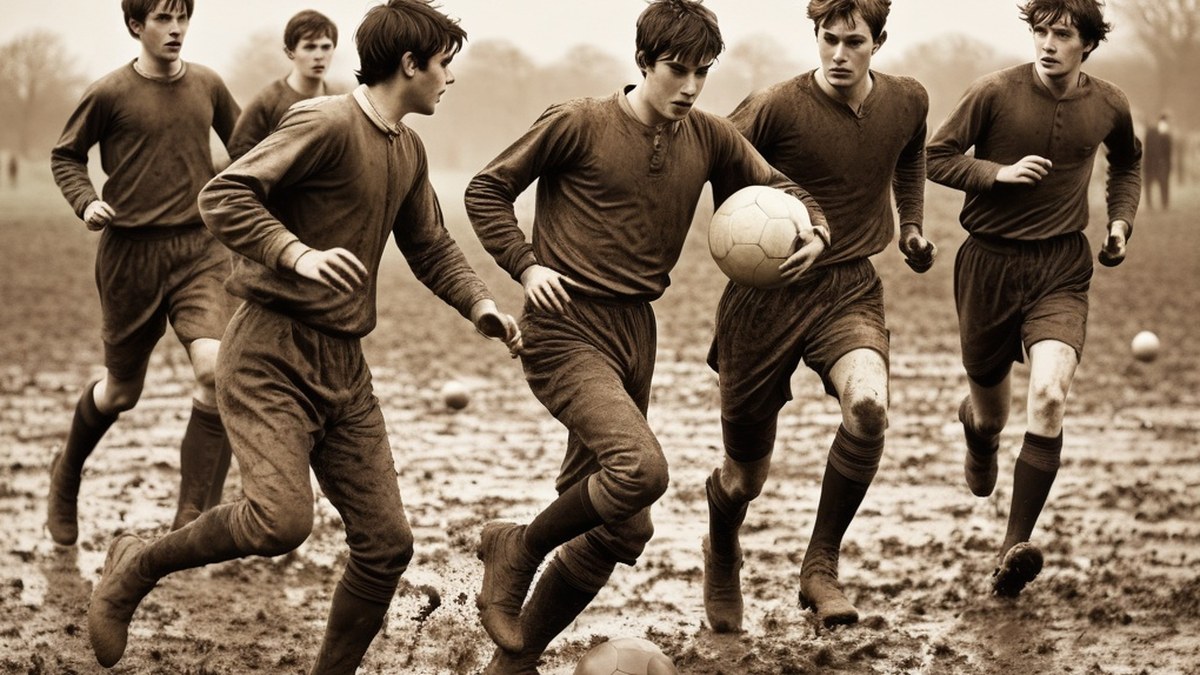
Before 1863, 'football' in Britain meant dozens of incompatible local variants — some allowing carrying the ball, some not, with wildly different rules on tackling and field size. A single meeting in a London tavern settled on one standard version. Without it, the sport as billions know it today might never have coalesced.
Read the scenario →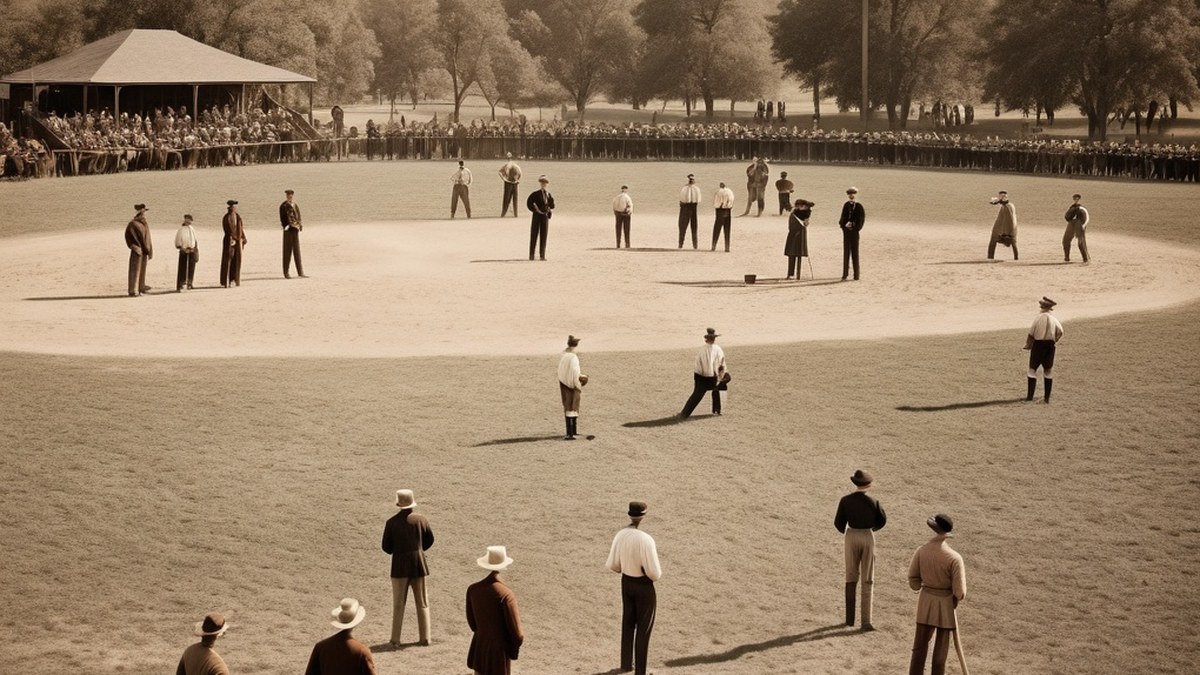
What If Baseball Had Never Become America's Pastime?
In the years right after the Civil War, several bat-and-ball games were competing for popularity across America — and baseball's specific rules weren't obviously destined to win. A well-organized New York club, a printed rulebook, and a war that scattered soldiers who'd learned the game across the whole country did as much to decide the outcome as anything about the sport itself.
Read the scenario →
What If Blue Jeans Never Caught On Globally?
A Bavarian-born dry goods merchant and a Latvian-born tailor patented copper rivets for work pants in 1873, solving a durability problem for gold miners. Neither man could have predicted it would become the most universally worn garment in human history.
Read the scenario →