What if it had gone differently?
Every scenario here starts with something that really happened — an invention, a discovery, a decision, a war — and imagines one change rippling outward: what shifts immediately, what it means locally and globally, and how far the consequences could plausibly stretch.
Latest Scenarios
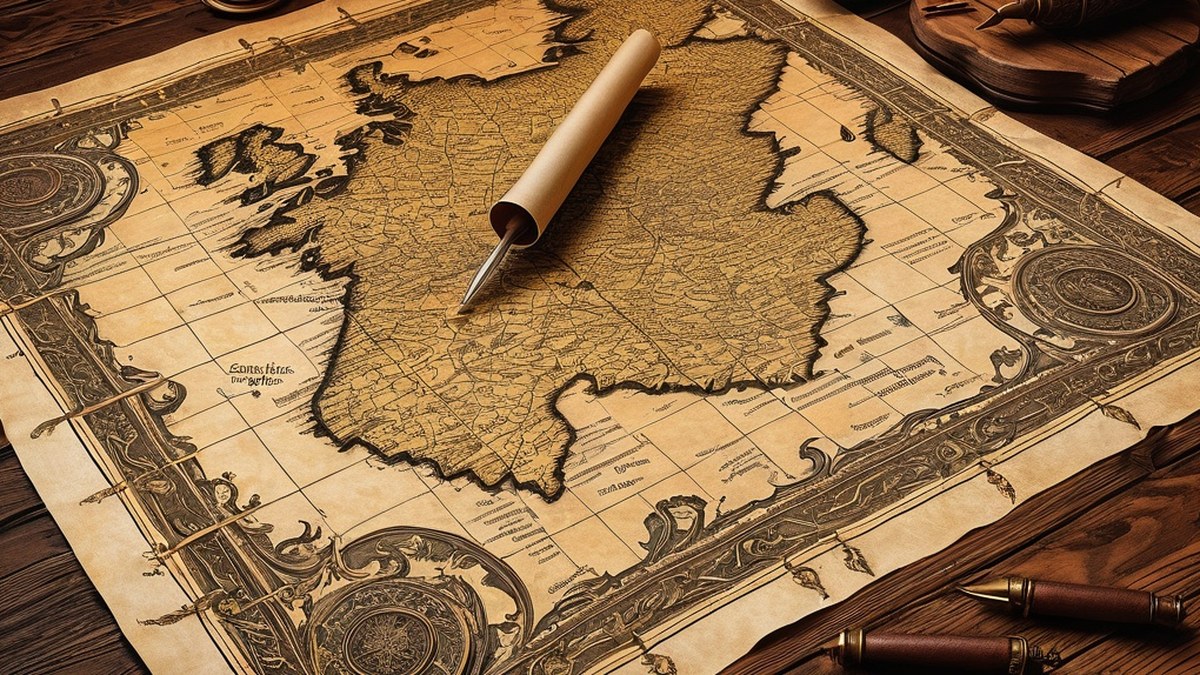
What If Ibn Battuta's 14th-Century Travel Accounts Had Been Translated Into European Languages Immediately?
Ibn Battuta, a Moroccan scholar, spent roughly thirty years (1325–1354) traveling some 120,000 kilometers across the Islamic world, Africa, and Asia, dictating a detailed account — the Rihla — upon his return. It remained confined almost entirely to the Arabic-reading world for centuries and wasn't substantially translated into a major European language until the 19th century, by which point Europe's Age of Exploration had already proceeded largely without the detailed geographic and economic knowledge his account contained.
Read the scenario →
What If the Dead Sea Scrolls Had Been Discovered a Century Earlier, Before Modern Biblical Scholarship Existed?
The Dead Sea Scrolls, discovered by Bedouin shepherds near Qumran in 1946–47, include the earliest known copies of Hebrew Bible texts and transformed modern understanding of Second Temple Judaism and early Christianity. Had the same caves been found around 1847 instead, the discovery would have landed in a radically different world — decades before photographic preservation, modern archaeological method, or the historical-critical biblical scholarship that was only then beginning to take shape.
Read the scenario →
What If US Prohibition Had Never Been Repealed?
The 18th Amendment banned the manufacture, sale, and transport of alcohol across the United States starting in 1920, fueling a massive black market, the rise of organized crime figures like Al Capone, and widespread public contempt for an unenforceable law. The 21st Amendment repealed it in 1933, driven partly by Depression-era desire for tax revenue and jobs and partly by exhaustion with enforcement failures and crime. That repeal was a political choice, not an inevitability.
Read the scenario →
What If Esperanto Had Become the World's Standard Second Language?
L. L. Zamenhof created Esperanto in 1887 as a deliberately simple, politically neutral international language. It gained a genuine following and even came close to institutional adoption: a 1922 proposal to the League of Nations for member states to teach it in schools as an international second language was blocked, largely by France, which saw it as a threat to French's status as the language of diplomacy. English went on to become the de facto global lingua franca after 1945, driven by American economic, military, and cultural dominance.
Read the scenario →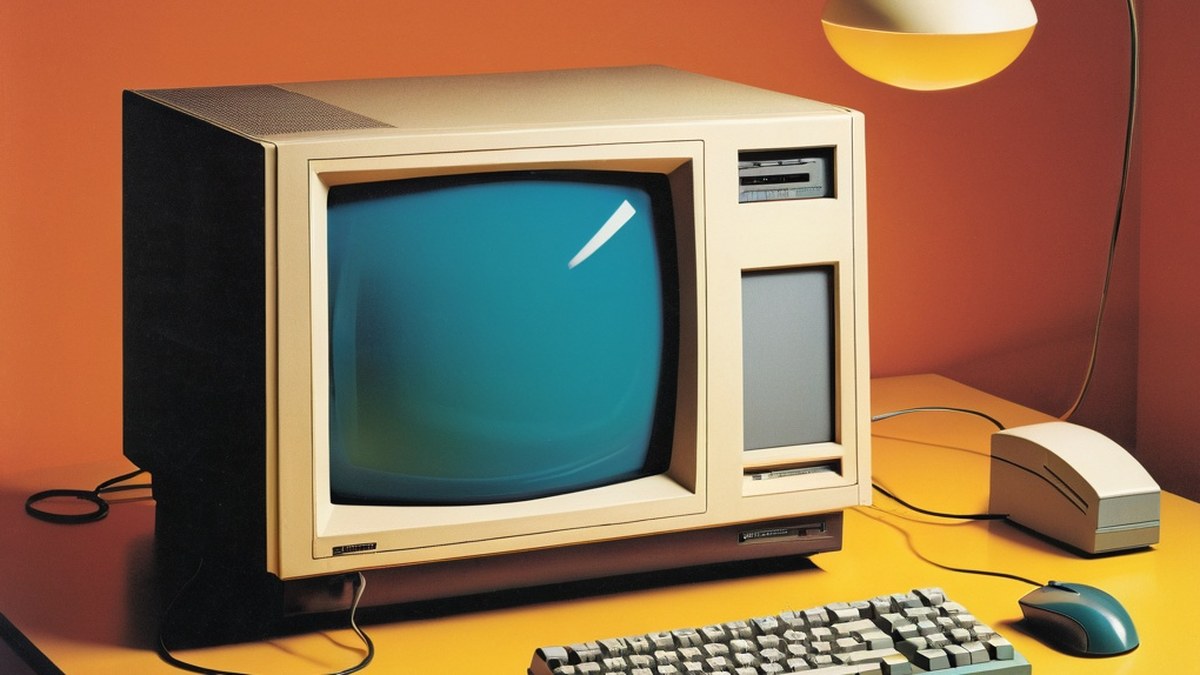
What If Xerox PARC's Graphical Interface Had Been Commercialized by Xerox Itself Rather Than Licensed Out?
Xerox's own research lab, PARC, invented the graphical user interface, the mouse, Ethernet networking, and the laser printer in the 1970s — and then largely failed to turn any of it into a dominant commercial product. Steve Jobs's famous 1979 visit to PARC directly shaped Apple's Lisa and Macintosh. Xerox's own GUI computer, the 1981 Star, was priced far out of reach of most buyers and marketed poorly, and Xerox's leadership never treated personal computing as core to the business the way its photocopier line was.
Read the scenario →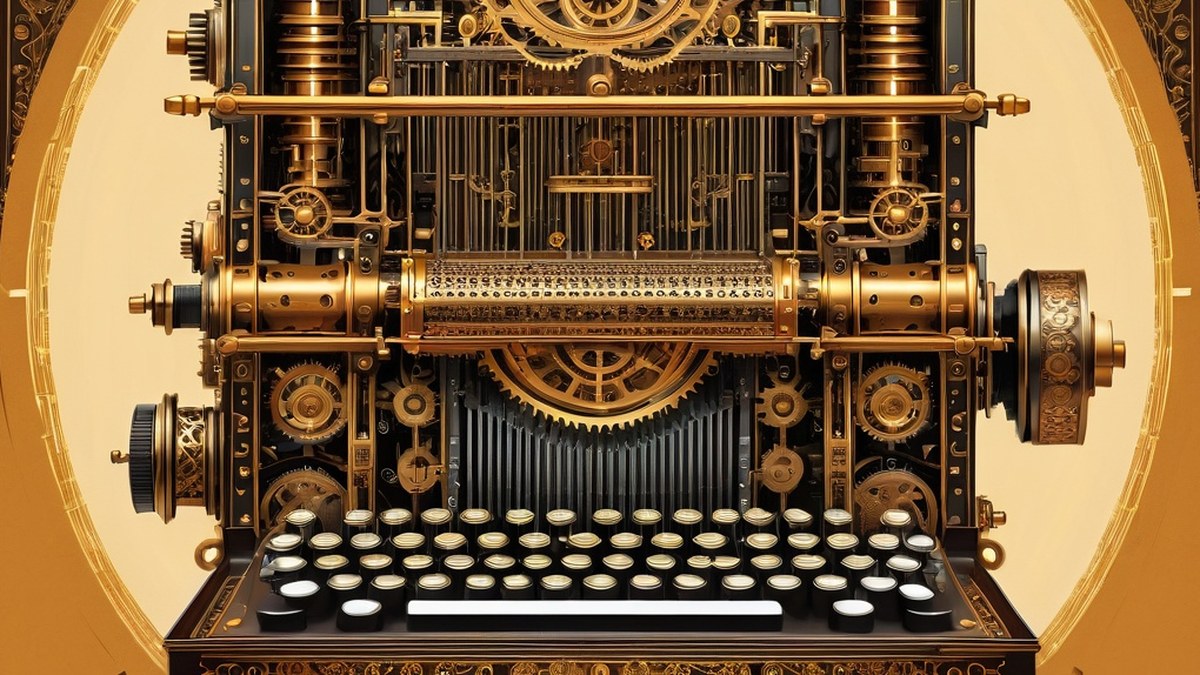
What If Charles Babbage's Analytical Engine Had Actually Been Built in His Lifetime?
Charles Babbage designed the Analytical Engine in the 1830s — a general-purpose, programmable mechanical computer, decades before electricity made computing practical. Ada Lovelace's notes on it describe, correctly, that it could run far more than arithmetic. Funding disputes, manufacturing precision limits, and Babbage's own difficult relationships with backers meant it was never completed before his death in 1871. In 1991, the Science Museum in London built his earlier Difference Engine No. 2 from his original designs and it worked exactly as specified, proving the concepts were sound all along.
Read the scenario →Browse by Category
Technology
Inventions and devices that quietly reshaped daily life — or might have, had they gone differently.
25 scenariosScience & Medicine
Discoveries that changed what was possible in the lab, the clinic, and the body.
24 scenariosWar & Politics
The decisions, battles, and treaties where a small shift could have redrawn the map entirely.
24 scenariosCulture & Society
The ideas, habits, and everyday goods that spread — or might never have spread — around the world.
25 scenariosHistory & Exploration
Ancient turning points and voyages where a different outcome would echo for centuries.
25 scenariosPresent & Future
Not history rewritten — the world exactly as it stands today, disrupted by one sudden change starting now.
24 scenariosArtificial Intelligence
Not history rewritten — today's AI, disrupted by one sudden capability or event starting now.
24 scenarios