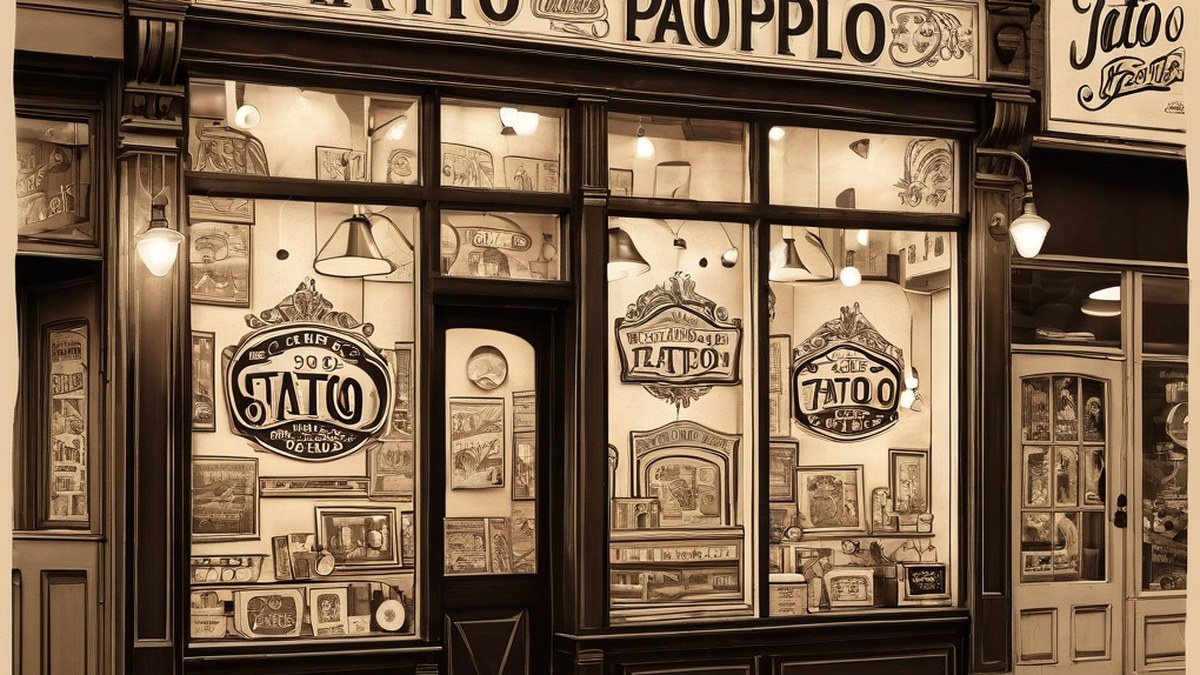
Tattooing has ancient roots across many cultures worldwide, but Western attitudes toward it shifted dramatically over the 19th and 20th centuries. The invention of the electric tattoo machine in 1891 made tattooing faster and more accessible, but through much of the 20th century Western tattooing remained strongly associated with sailors, servicemen, carnival and sideshow performers, and later motorcycle gangs and prison culture — associations that kept it heavily stigmatized among the broader middle class. A genuine shift began in the 1970s, often credited to a "tattoo renaissance" driven by a new generation of artists treating tattooing as a serious visual art form rather than purely folk or subcultural practice, expanding the range of styles and raising technical and artistic standards considerably. This accelerated through the 1990s and 2000s as tattooing gained visibility through music, fashion, and eventually reality television (shows explicitly about tattoo shops and artists becoming a genuine television genre), alongside a broader generational shift in attitudes, particularly among younger adults. By the 2010s-2020s, surveys in several Western countries showed roughly a third or more of adults under middle age had at least one tattoo, a dramatic reversal from the practice's earlier marginal status.
What If Tattooing Had Remained Culturally Taboo in the West?
Tattoos have moved from a heavily stigmatized practice associated narrowly with sailors, criminals, and sideshow performers to a thoroughly mainstream form of personal expression embraced across almost every social and professional class in much of the Western world. That shift happened within a few specific, identifiable decades.
The History
How It Changed
Imagine the 1970s tattoo renaissance never gains the artistic legitimacy and cultural momentum it actually achieved — perhaps the specific artists credited with elevating tattooing's technical and artistic standards pursue different careers, or the countercultural movements that embraced tattooing as a style statement take a different direction instead — leaving tattooing's stigmatized, narrowly subcultural associations from earlier in the 20th century largely intact into the present day.
The Initial Impact
Without the cultural rehabilitation the tattoo renaissance actually provided, tattooing would likely have remained confined to its earlier associations — military and maritime culture, outlaw motorcycle clubs, prison culture — meaning each new generation would continue inheriting the same narrow stigma rather than seeing it gradually reframed as a legitimate art form and mainstream personal choice.
The Local Picture
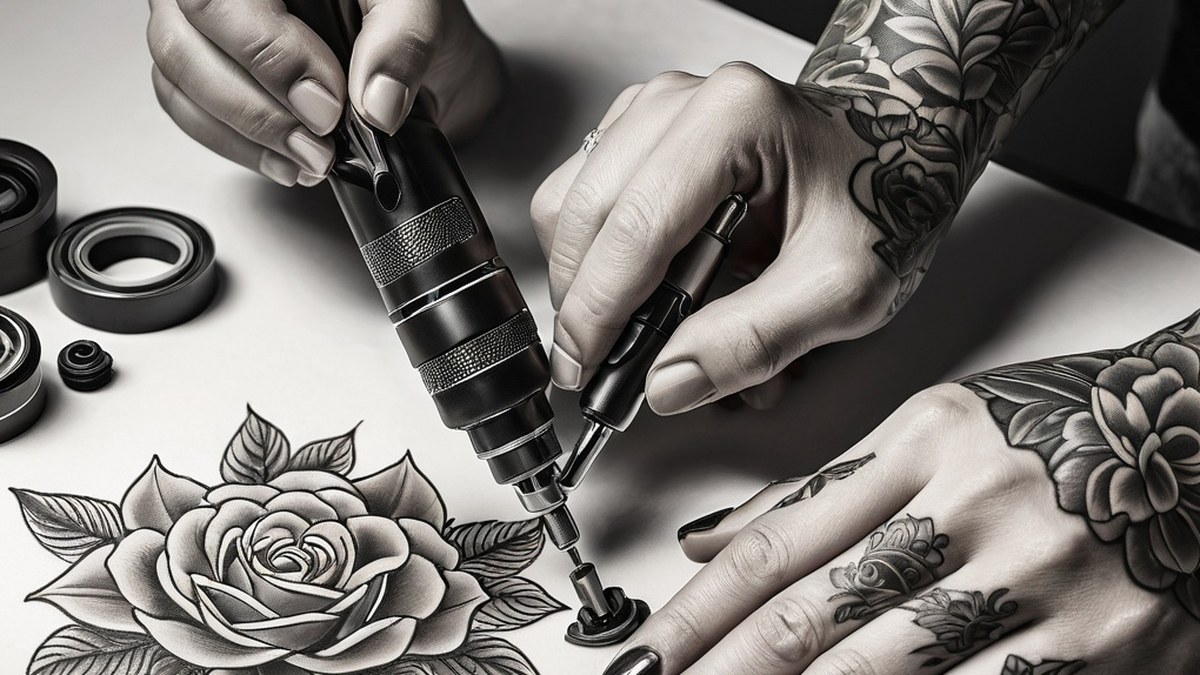
For individuals, this would mean a visible tattoo continuing to carry real, concrete social and professional consequences across a much wider range of contexts than is actually the case today — workplace dress codes explicitly barring visible tattoos would likely remain the unquestioned default rather than the exception, and getting a tattoo would remain a much more socially loaded, higher-stakes decision than it has actually become for most people in affected countries.
The Global Picture
At a broader cultural level, a Western tattoo industry that never gained mainstream legitimacy would likely have remained much smaller and less artistically developed, with less cross-pollination between tattoo art and other visual art forms (fashion, graphic design, fine art) than has actually occurred, and significantly reduced economic activity in what has become a substantial global industry of tattoo studios, artists, equipment, and aftercare products.
Specific Predictions
The sections above build the case in general terms. Here's what that case actually implies, stated as concrete claims rather than hedged possibilities — still part of the thought experiment, not a verified forecast, but specific enough to agree or disagree with.
- Visible tattoos would likely remain a significant, broadly accepted barrier to employment across many more professional sectors than is actually the case today, with workplace dress codes continuing to treat tattoo policy as an uncontested default rather than something increasingly reconsidered.
- The tattoo industry would likely remain substantially smaller and more geographically concentrated around its traditional strongholds (port cities, biker culture hubs) rather than the broad-based, often upscale, studio culture found in most major cities today.
- Reality television and mainstream media would likely never have developed tattoo-focused programming as an actual television genre, removing one of the most significant mainstream visibility and normalization channels that actually existed.
- Generational attitude surveys would likely still show a meaningful age-based stigma gap today, but centered on a much lower overall adoption rate across all age groups rather than the near-mainstream acceptance actually seen among younger adults in many Western countries.
Extreme Scenarios
These push the premise furthest — the least likely, most speculative branches worth considering precisely because they show where the reasoning starts to strain.
Tattooing remains a genuinely marginal subculture indefinitely
If the stigma never meaningfully broke down across multiple generations, tattooing could plausibly have remained roughly where it stood in the mid-20th century even today — a narrow subcultural practice associated with specific, still-marginalized groups, with none of the mainstream artistic legitimacy, celebrity visibility, or broad-based adoption that actually transformed it into one of the more significant personal-expression trends of the past half-century.
A different form of permanent body modification or expression fills the cultural space instead
It's plausible that if tattooing specifically never achieved mainstream acceptance, some other, less historically stigmatized form of personal expression or body modification could have expanded to fill a similar cultural role — body piercing, for instance, followed a broadly similar but distinct acceptance trajectory in the real timeline, and could plausibly have become the more dominant mainstream form of self-expression through modification in this scenario instead.
Related Scenarios

What If Blue Jeans Never Caught On Globally?
A Bavarian-born dry goods merchant and a Latvian-born tailor patented copper rivets for work pants in 1873, solving a durability problem for gold miners. Neither man could have predicted it would become the most universally worn garment in human history.
Read the scenario →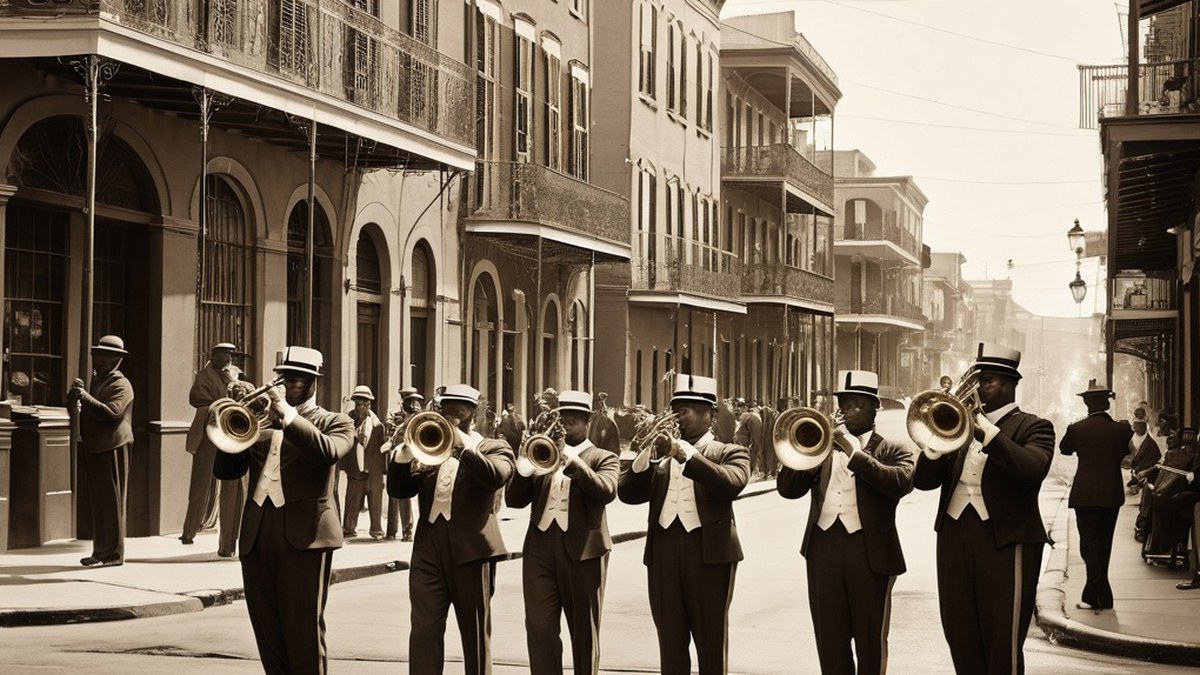
What If Jazz Had Never Emerged from New Orleans?
Jazz grew out of a specific cultural collision in turn-of-the-century New Orleans — African rhythmic traditions, brass band instrumentation from military surplus instruments, blues tonality, and a uniquely tolerant environment for Black and Creole musicians to mix and innovate. Remove that particular convergence, and 20th-century popular music loses its single most influential root.
Read the scenario →
What If the Electric Guitar Was Never Invented?
Guitarists in 1920s and 1930s dance bands had a basic problem: their instrument was too quiet to be heard over horns and drums. The solution — attaching a magnetic pickup to convert string vibration into an electrical signal — didn't just make guitars louder. It created an entirely new instrument with an entirely new sound.
Read the scenario →