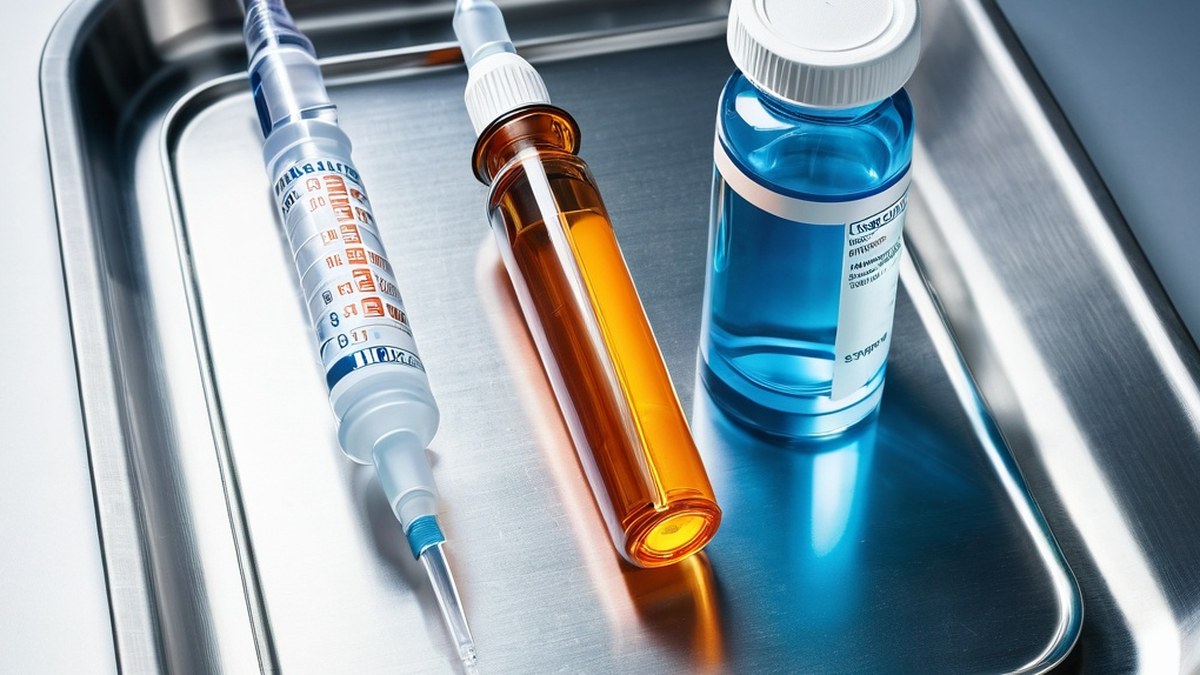
Insulin was first isolated and used clinically in 1922, transforming type 1 diabetes from a near-certain death sentence into a manageable chronic condition, and it remains in continuous daily use by tens of millions of people with type 1 and type 2 diabetes worldwide. Modern insulin production is a complex biotechnological process — most commercial insulin today is manufactured using genetically engineered bacteria or yeast that produce human insulin directly, a process concentrated among a small number of major pharmaceutical manufacturers and a limited number of actual production facilities globally. This concentration already creates real vulnerability: regional shortages, price spikes, and supply disruptions for specific insulin products have occurred before, driven by manufacturing problems, regulatory issues, or market dynamics, and affordability and access problems (particularly in the US, where insulin pricing has been a long-running political and public health issue) already leave some patients rationing doses in ways that carry real, documented health risks and deaths. What hasn't happened is a genuine simultaneous collapse of global production capacity across multiple major manufacturers at once.
What If the World Ran Out of Insulin Tomorrow?
Insulin production is concentrated among a small number of manufacturers and manufacturing sites worldwide, and tens of millions of people with diabetes depend on a reliable, continuous supply simply to stay alive. A sudden global production collapse would turn a chronic-disease management question into an immediate survival crisis for a huge number of people at once.
Where Things Stand
What Changes
Imagine a combination of a critical contamination event at a major production facility, a simultaneous regulatory shutdown at another over a quality failure, and supply chain disruption affecting key biological or chemical inputs removes the large majority of global insulin manufacturing capacity simultaneously, rather than the isolated, single-manufacturer disruptions that have actually occurred.
The Initial Impact
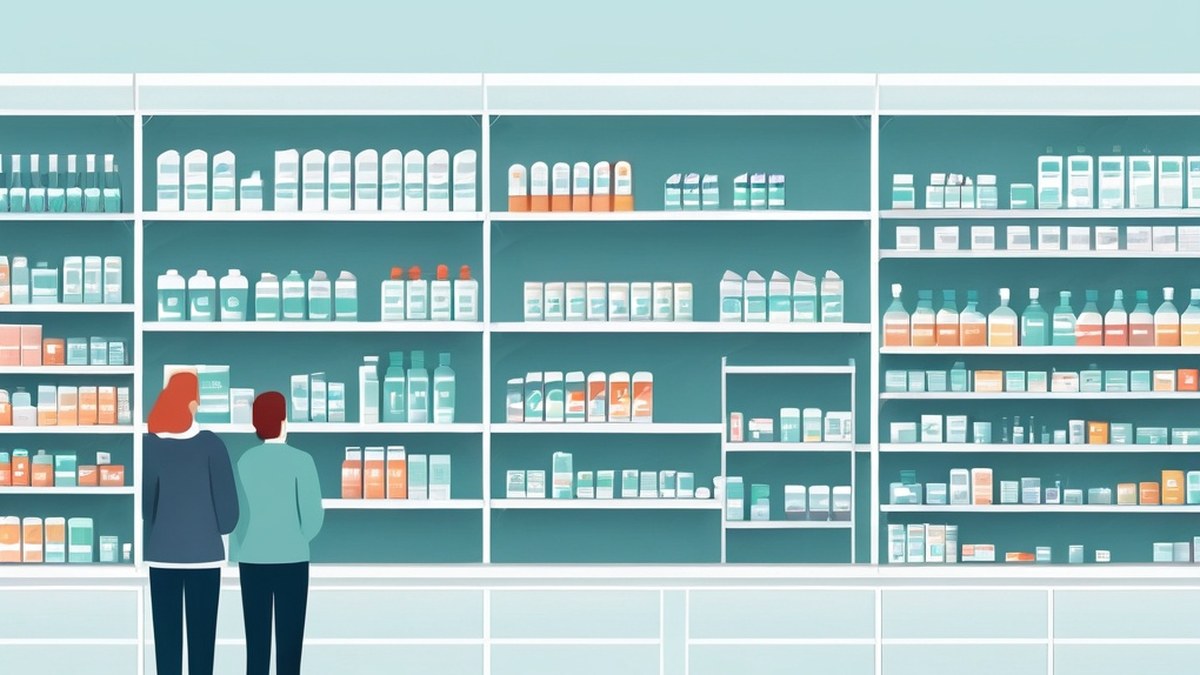
The immediate effect would be unlike most supply-chain disruption scenarios: existing insulin stockpiles in pharmacies, hospitals, and patients' own supplies would provide only a short buffer — days to a few weeks depending on the person and location — before genuine, life-threatening shortages began affecting people with type 1 diabetes specifically, for whom there is no safe substitute and no way to simply go without.
The Local Picture
For individual patients and families, this would mean an immediate, desperate search for remaining supply, intense rationing of existing insulin in ways doctors already know carry real medical risk (diabetic ketoacidosis, among other serious complications), and a level of acute daily fear around a previously well-managed chronic condition that most patients and families would never have had to consider before.
The Global Picture
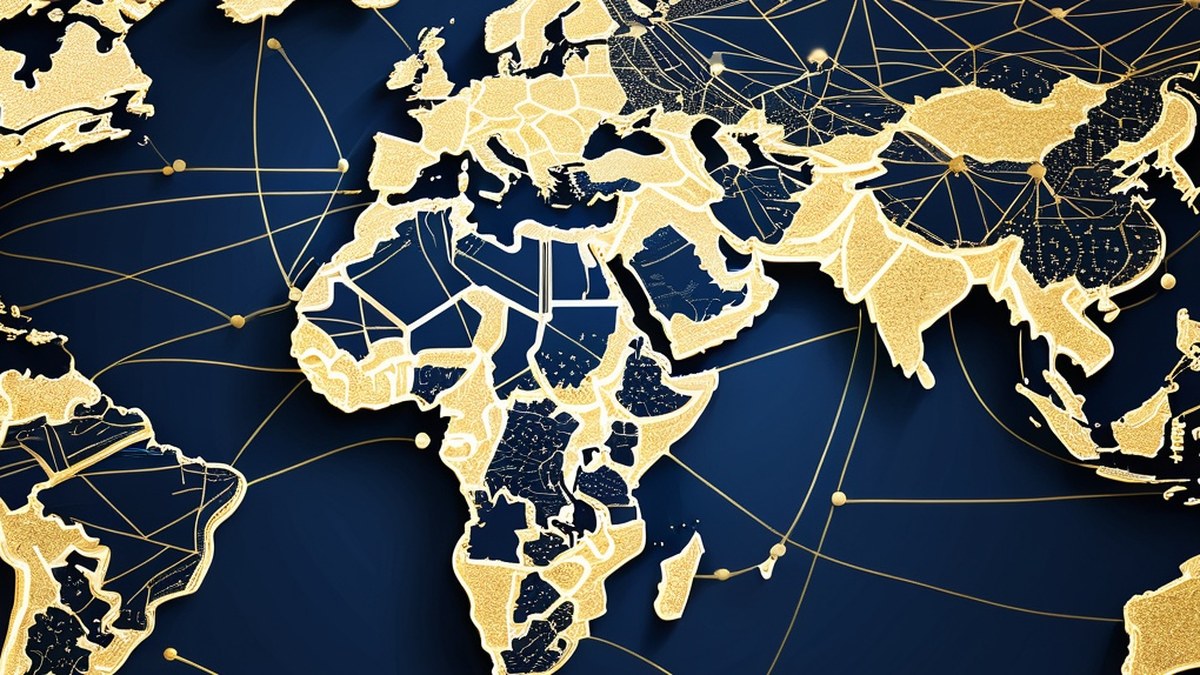
At a systemic level, this would trigger an immediate global public health emergency response unlike most other supply-chain disruptions precisely because the timeline to serious harm is measured in days rather than weeks or months: emergency production scale-up at any unaffected facilities, emergency import arrangements, triage protocols for who receives limited remaining supply, and almost certainly international compounding-pharmacy and emergency-manufacturing measures normally reserved for the most acute public health crises.
Specific Predictions
The sections above build the case in general terms. Here's what that case actually implies, stated as concrete claims rather than hedged possibilities — still part of the thought experiment, not a verified forecast, but specific enough to agree or disagree with.
- Governments and health authorities would implement emergency insulin rationing and allocation protocols within days, prioritizing type 1 diabetes patients and the most medically vulnerable, given the near-immediate life-threatening nature of the shortage for this group specifically.
- Hospitals would see a sharp, rapid rise in diabetic ketoacidosis and other acute diabetes-related emergency admissions within the first one to two weeks, disproportionately affecting patients who had been rationing doses even before supply fully ran out.
- Any remaining or emergency-scaled insulin production capacity would become the subject of intense international diplomatic and economic pressure, given the direct, immediate, and visible life-or-death stakes involved for any country without secured supply.
- The event would permanently change pharmaceutical and public health policy around insulin specifically, likely producing lasting strategic reserve requirements and manufacturing diversification mandates similar to those that exist for other critical medical supplies, in a way that decades of more abstract warnings about manufacturing concentration had not previously achieved.
Extreme Scenarios
These push the premise furthest — the least likely, most speculative branches worth considering precisely because they show where the reasoning starts to strain.
The crisis becomes one of the most significant public health emergencies in modern history
Given that type 1 diabetes is universally fatal within days to weeks without insulin, a sustained, severe global shortage lasting more than a few weeks could plausibly become one of the most acutely lethal public health crises of the modern era in terms of sheer speed, forcing the kind of extraordinary emergency measures — compulsory licensing of insulin patents, military-logistics-style emergency distribution, international mutual aid on a scale rarely seen outside major war or famine — that few other single supply-chain failures could justify.
The crisis permanently ends insulin manufacturing concentration as an acceptable risk
In the aftermath, this kind of near-miss (or actual crisis) could plausibly do for insulin manufacturing policy what past health crises have done for other critical medical supply chains: mandatory geographic diversification of production, strategic national and international insulin reserves held at scale, and a permanent shift away from treating a life-sustaining medication's supply chain with the same risk tolerance as a conventional consumer product.
Related Scenarios
What If a Major Earthquake Destroyed the World's Leading Semiconductor Fabrication Hub Overnight?
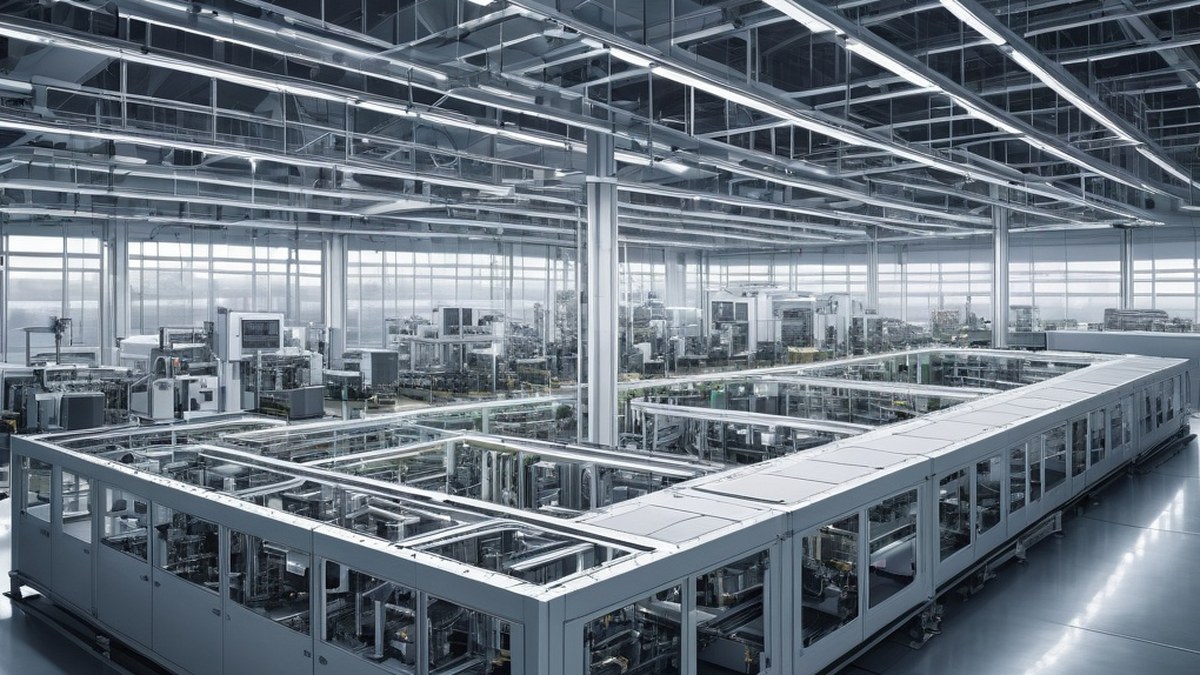
A remarkably large share of the world's most advanced semiconductor chips — the ones inside every smartphone, car, data center, and weapons system — are manufactured in a small number of fabrication plants concentrated in a single, seismically active region. A major earthquake severe enough to take that capacity offline for an extended period would be felt in every corner of the global economy within weeks.
Read the scenario →
What If Global Fertilizer Supply Chains Collapsed Overnight?
Modern industrial agriculture is fundamentally dependent on synthetic nitrogen fertilizer, produced through an energy-intensive process concentrated in a relatively small number of countries and companies. A sudden, severe disruption to that supply chain would hit global food production at a scale few other single points of failure could match.
Read the scenario →
What If the Suez and Panama Canals Were Both Blocked Starting Today?
The 2021 Ever Given grounding blocked the Suez Canal for six days and disrupted an estimated $9 billion a day in trade. The Panama Canal separately faced its own serious disruption in 2023-24 when a historic drought forced authorities to sharply restrict the number of ships allowed through. Neither canal has an easy alternative route. What happens if both are blocked or severely restricted at the same time?
Read the scenario →