The Chernobyl disaster occurred during a safety test intended to check whether the plant's turbines could generate enough residual power to run emergency systems during a power loss, before backup diesel generators kicked in. The test had already been delayed once and was being run by a night shift crew with limited specific preparation for it. Critically, the RBMK reactor design used at Chernobyl had a known flaw — a positive void coefficient, meaning that under certain low-power conditions, the reactor could become more reactive rather than less as it lost coolant, the opposite of what most other reactor designs do — and this flaw was not fully disclosed even to the plant's own operators, a function of Soviet-era secrecy around reactor design weaknesses. As operators proceeded with the test at low power, a combination of the unstable reactor state and a delayed emergency shutdown attempt caused a power surge that ruptured fuel channels and triggered steam explosions, blowing the lid off the reactor and exposing the core, which then burned for days, releasing radioactive material across a wide area of the Soviet Union and Europe. The disaster forced the evacuation of the nearby city of Pripyat and a large surrounding exclusion zone that remains largely uninhabited today, and became a defining event in public perception of nuclear power's risks worldwide.
What If the Chernobyl Disaster Had Been Prevented?
On April 26, 1986, a safety test at the Chernobyl Nuclear Power Plant in Soviet Ukraine went catastrophically wrong, causing an explosion and fire that released massive amounts of radioactive material and became the worst nuclear power accident in history. The test that caused it was running behind schedule, poorly supervised, and proceeding despite the reactor being in an unstable, unsafe configuration.
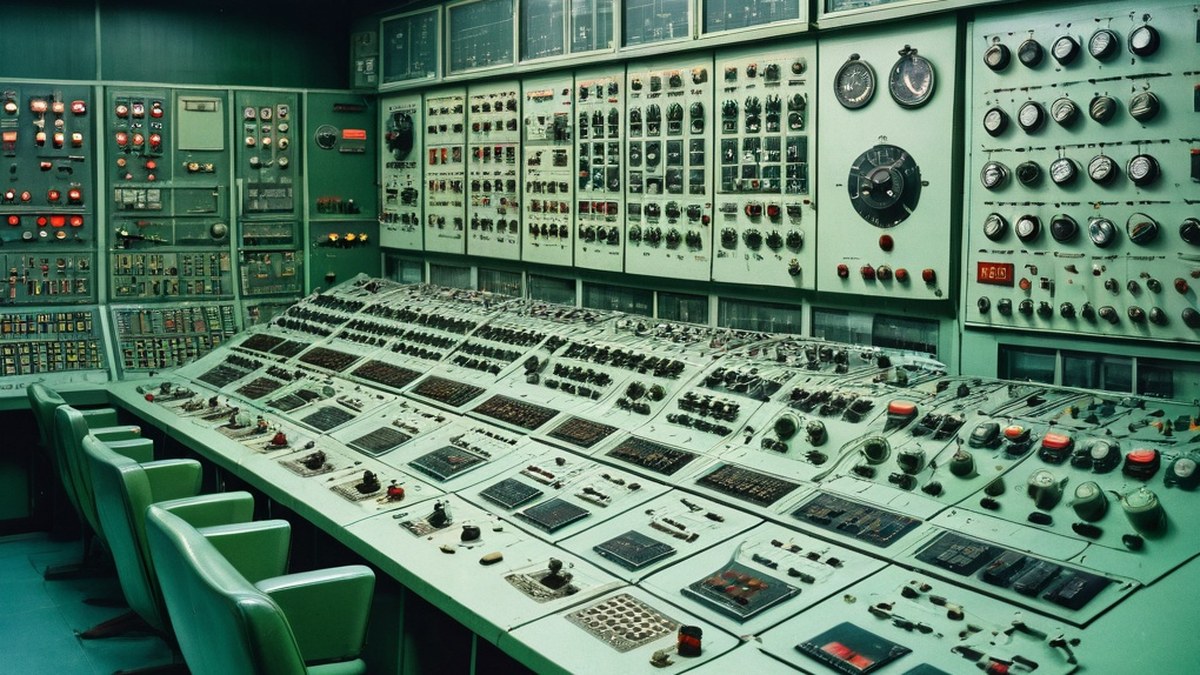
The History
How It Changed
Imagine the test is properly supervised by senior engineers fully briefed on the RBMK's positive void coefficient flaw, who either refuse to run the test under the specific unstable low-power conditions that actually caused the accident, or halt it at the first sign of instability rather than proceeding — the kind of basic safety culture failure that, in multiple post-disaster investigations, was identified as just as central to the catastrophe as the reactor's underlying design flaw.
The Initial Impact
A prevented Chernobyl would have meant the test either didn't happen as scheduled, was aborted safely partway through, or revealed the reactor's dangerous low-power instability in a way that caused alarm but not catastrophe — in any of these versions, the Chernobyl plant continues operating, Pripyat is never evacuated, and the RBMK design flaw becomes a serious internal Soviet nuclear safety concern rather than a globally visible catastrophe.
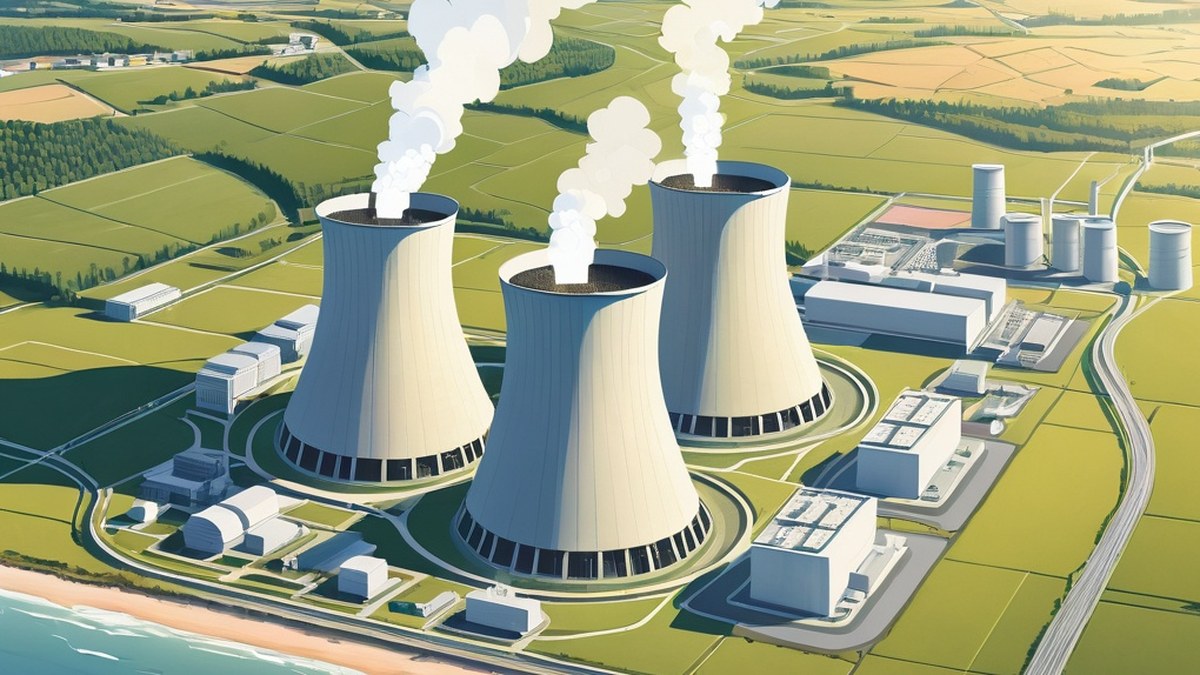
The Local Picture
For the roughly 350,000 people eventually evacuated from the exclusion zone in our actual timeline, a prevented disaster means no evacuation, no lasting exclusion zone, and no multi-generational displacement from Pripyat and the surrounding area — a profound difference for the specific communities whose lives were permanently upended by the actual disaster.
The Global Picture
At a global level, the most significant and lasting effect would be on nuclear power's public perception and subsequent development: Chernobyl, alongside the 1979 Three Mile Island accident in the United States, became one of the two defining events that shaped decades of public anxiety about nuclear power and contributed directly to many countries slowing, freezing, or abandoning nuclear power expansion from the late 1980s onward — a prevented Chernobyl removes the more severe and visually dramatic of these two formative events, very plausibly leaving nuclear power with a meaningfully less damaged public reputation heading into the following decades.
Specific Predictions
The sections above build the case in general terms. Here's what that case actually implies, stated as concrete claims rather than hedged possibilities — still part of the thought experiment, not a verified forecast, but specific enough to agree or disagree with.
- Global nuclear power capacity additions in the late 1980s and 1990s, which slowed sharply in the real aftermath of Chernobyl, would likely continue at closer to their pre-1986 growth rate, particularly in Europe where anti-nuclear sentiment hardened substantially after the disaster.
- Ukraine and the wider former Soviet Union's relationship with nuclear power, and the broader public trust in Soviet-era industrial safety more generally, would be measurably less damaged heading into the Soviet collapse five years later.
- The RBMK reactor design's specific safety flaw would still very plausibly surface eventually through other means — internal safety reviews, a smaller-scale incident, or international information-sharing — given that the flaw itself doesn't disappear just because this one accident was prevented.
- Climate change mitigation policy from the 2000s onward, when nuclear power began being reconsidered by some countries specifically as a low-carbon energy source, would likely proceed from a meaningfully higher existing base of nuclear capacity and public tolerance, given one fewer major disaster weighing against the technology's reputation.

Extreme Scenarios
These push the premise furthest — the least likely, most speculative branches worth considering precisely because they show where the reasoning starts to strain.
Nuclear power becomes the dominant global energy source decades earlier
If nuclear power's reputation emerges from the late 20th century without Chernobyl's shadow, and particularly if this also means the RBMK flaw gets addressed quietly through internal Soviet safety reforms rather than a globally visible catastrophe, nuclear capacity could plausibly have continued expanding through the 1990s and 2000s at a pace closer to its 1970s growth trajectory, potentially making nuclear a dominant global electricity source well before climate change concerns forced the issue in our actual timeline.
A different, perhaps worse, disaster eventually exposes the same underlying risk
A more sobering possibility: if the specific safety culture and design-transparency failures that caused Chernobyl are systemic rather than unique to that one test on that one night, preventing this specific accident might simply delay rather than prevent the underlying risk from eventually surfacing — potentially at a differently-designed plant, under different circumstances, with consequences that are equally or even more severe, since the lesson-learning and design corrections that followed the actual Chernobyl disaster worldwide might never happen without it.
Related Scenarios
What If Nuclear Power Had Become the World's Dominant Energy Source After 1950?
In the 1950s, nuclear power was widely predicted to make electricity 'too cheap to meter.' Instead, a combination of high construction costs, high-profile accidents, and public fear left it supplying a modest fraction of global electricity. A world where the optimistic early predictions had actually come true looks very different from ours.
Read the scenario →
What If Betamax Had Beaten VHS in the Home Video Format War?
Sony's Betamax reached the market a year before JVC's VHS and was widely regarded by engineers as the technically superior format. It lost anyway, within about a decade, in one of the most studied format wars in consumer electronics history.
Read the scenario →
What If Electric Cars Had Beaten the Combustion Engine in 1900?
At the dawn of the automobile age, electric cars weren't a niche alternative — they were, for a brief window around 1900, genuinely competitive with steam and gasoline. A different set of technical and commercial breaks could have made electric, not gasoline, the twentieth century's default car.
Read the scenario →