In the immediate aftermath of the Second World War, Western Europe faced severe economic devastation — damaged infrastructure, disrupted trade, food shortages, and currency instability that persisted well past the war's end in 1945. US Secretary of State George Marshall proposed a major American aid program in 1947, officially the European Recovery Program but universally known as the Marshall Plan, providing economic assistance to European countries (including, notably, former Axis power Italy and the western occupation zones of defeated Germany) specifically to accelerate recovery and, explicitly, to reduce the economic instability and hardship that American policymakers believed made countries vulnerable to Communist political movements. The plan faced real opposition in the US Congress, where isolationist sentiment and skepticism about funding the recovery of recent enemies and economic competitors was genuine, and it only passed after significant political effort, aided by the Soviet-backed Czechoslovak coup in February 1948, which sharpened American anxiety about Soviet influence spreading into economically unstable parts of Europe. The plan's actual results are widely credited with substantially accelerating Western European industrial recovery, and it's frequently cited by historians as a significant factor in cementing Western Europe's political and economic alignment with the United States through the subsequent Cold War, as well as an early, influential step toward the European economic integration that eventually produced the European Union.
What If the Marshall Plan Had Never Been Implemented?
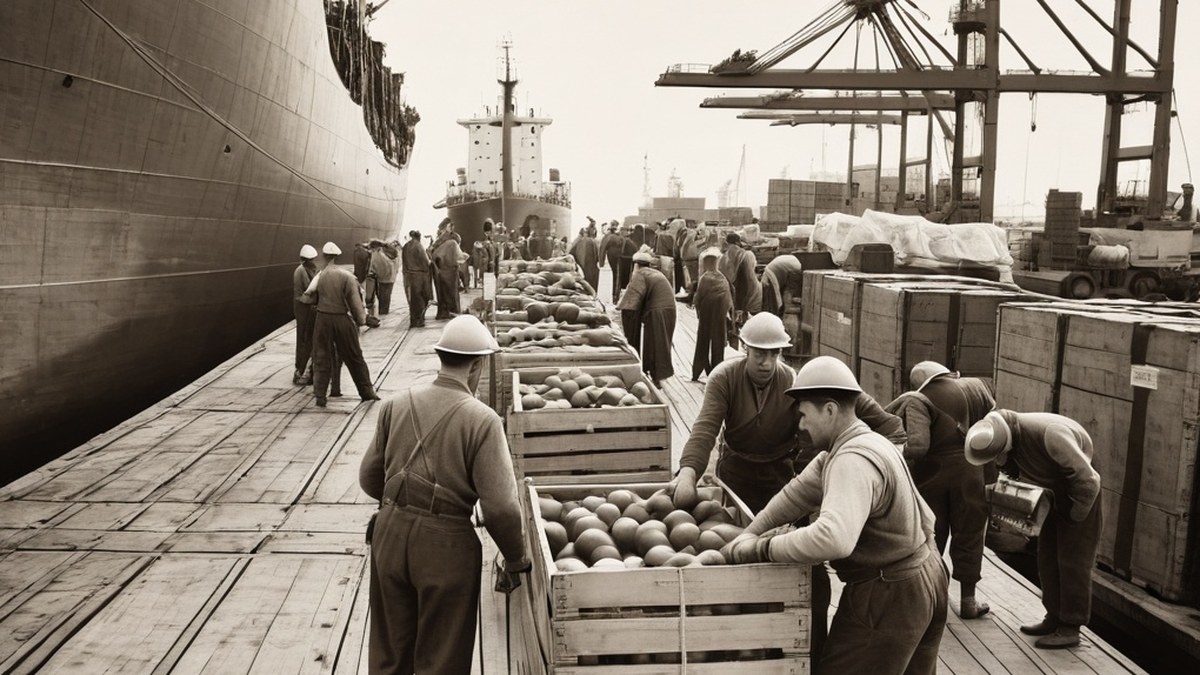
After the Second World War, the United States committed an enormous sum to rebuilding Western European economies through the Marshall Plan, a decision widely credited with Western Europe's remarkably fast postwar recovery and its political alignment with the West through the Cold War. That level of American commitment to rebuilding former allies and former enemies alike was a genuinely contested political choice, not an inevitability.
The History
How It Changed
Imagine Congressional opposition to funding European recovery — skepticism about aiding recent enemies, isolationist sentiment, and competing domestic spending priorities — proves strong enough to block or substantially gut the Marshall Plan, perhaps without the Czechoslovak coup's specific, galvanizing effect on American public and congressional opinion occurring at the same critical moment.
The Initial Impact
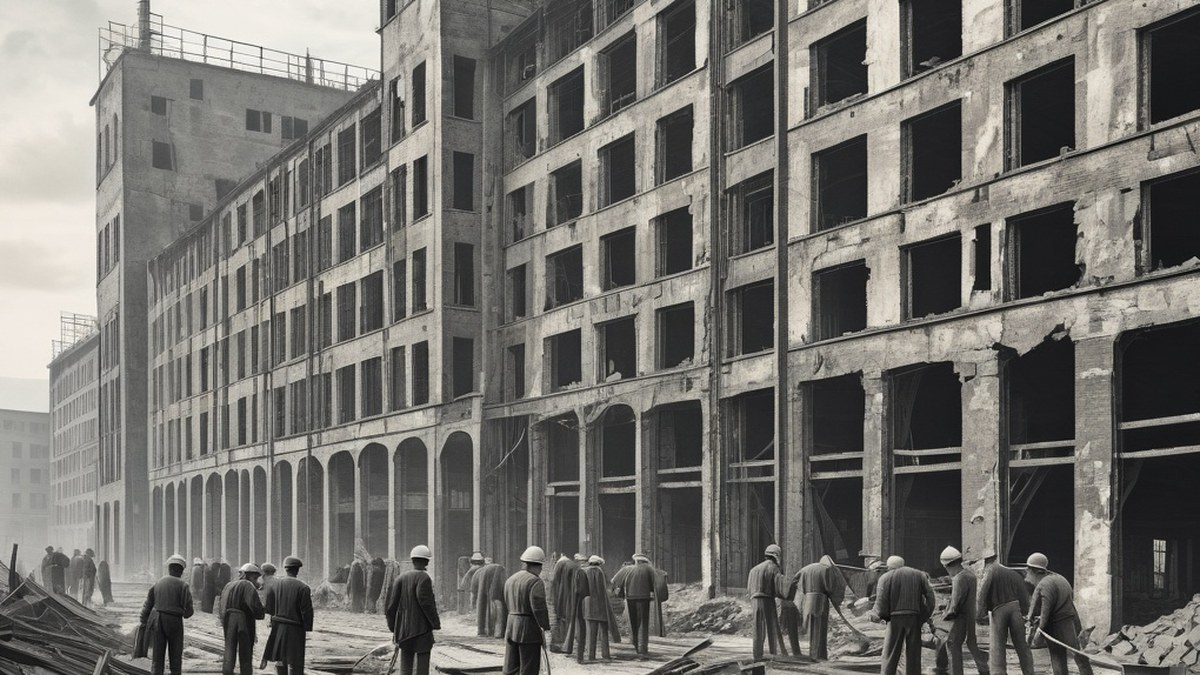
Without large-scale American assistance, Western European economic recovery would likely proceed far more slowly and unevenly, with continued shortages, slower industrial reconstruction, and persistent currency and trade instability extending well into the 1950s rather than the relatively rapid recovery actually achieved by the early-to-mid 1950s.
The Local Picture
For ordinary Western Europeans, this would mean a longer, harder postwar period — continued rationing, higher unemployment, and slower restoration of basic living standards — with the kind of prolonged economic hardship that historians generally agree created genuine political volatility and susceptibility to extremist political movements on both the left and right in the actual immediate postwar years, extended for longer without the Marshall Plan's stabilizing effect.
The Global Picture
At a broader geopolitical level, slower, harder European economic recovery would likely have left Western European Communist parties — already drawing real electoral support in countries like France and Italy in the actual postwar years — considerably stronger and more politically viable for longer, plausibly altering the Cold War's European balance meaningfully, and the absence of the economic cooperation the Marshall Plan fostered between European recipient countries could plausibly have delayed or altered the trajectory of the European economic integration that eventually produced the European Economic Community and later the European Union.
Specific Predictions
The sections above build the case in general terms. Here's what that case actually implies, stated as concrete claims rather than hedged possibilities — still part of the thought experiment, not a verified forecast, but specific enough to agree or disagree with.
- Western European industrial and economic recovery would extend measurably longer into the 1950s, with persistent shortages, unemployment, and currency instability compared to the actual, relatively rapid recovery achieved by the early-to-mid 1950s.
- Communist parties in France, Italy, and potentially other Western European countries would likely retain greater electoral strength and political relevance for longer, given the plausible connection between prolonged economic hardship and the actual postwar appeal of left-wing political movements in affected countries.
- The absence of the practical cross-border economic cooperation the Marshall Plan required among recipient countries would likely slow or alter the specific path toward the European Coal and Steel Community and the broader European economic integration that actually followed in the 1950s.
- American diplomatic and cultural influence in Western Europe would likely be measurably weaker through the following decades, given how significantly the actual Marshall Plan is credited with building lasting goodwill and economic interdependence between the US and Western Europe.

Extreme Scenarios
These push the premise furthest — the least likely, most speculative branches worth considering precisely because they show where the reasoning starts to strain.
A more economically unstable Western Europe tilts further toward Soviet influence
If prolonged economic hardship meaningfully strengthened Western European Communist parties and political movements, it's plausible that one or more major Western European countries could have seen genuinely contested domestic political struggles over alignment with the Soviet bloc rather than the relatively stable Western alignment that actually prevailed, reshaping the entire geography and balance of the Cold War's European front in its earliest and most formative years.
European integration follows a meaningfully different, slower, or more fragmented path
Without the Marshall Plan's requirement that recipient countries coordinate aid distribution among themselves — widely credited as useful early practice in cross-border European economic cooperation — the later path toward European Coal and Steel Community, the European Economic Community, and ultimately the European Union could plausibly have developed on a slower timeline, through different initial institutions, or conceivably not at all in the form actually achieved, representing one of the most significant long-term consequences of this single policy choice.
Related Scenarios
What If the 1948 Berlin Airlift Had Failed?
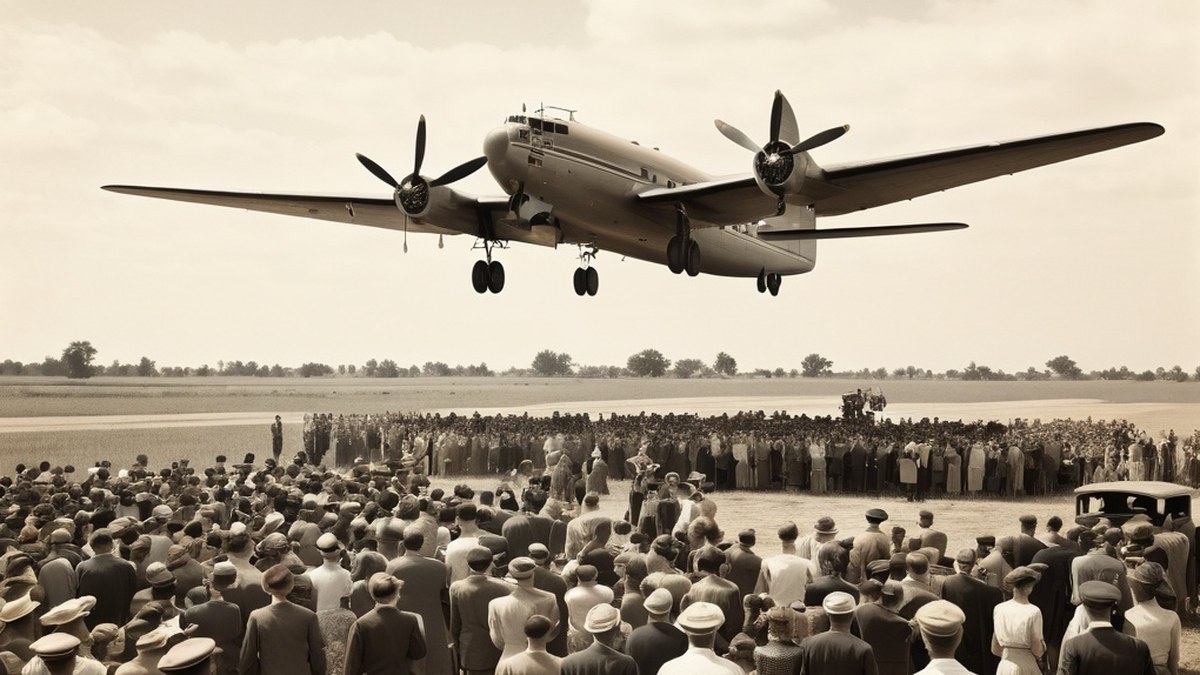
When the Soviet Union blockaded all land and water routes into West Berlin in 1948, the Western Allies responded with an enormous, sustained airlift rather than military confrontation or abandonment of the city. Its success is often cited as one of the Cold War's defining early moments — but a sustained airlift of that scale was a genuinely difficult logistical undertaking that could plausibly have failed.
Read the scenario →
What If a Soviet Computer Scientist Had Defected to the West With a Working AI Prototype During the Cold War?
Cold War defections of Soviet scientists, engineers, and intelligence officers were a real and recurring feature of the era, and Soviet cybernetics research — including Viktor Glushkov's genuinely ambitious national computing work — was more sophisticated than many in the West assumed at the time. A defection specifically bringing working machine-learning research westward, rather than the weapons or intelligence secrets more commonly associated with Cold War defections, never occurred.
Read the scenario →
What If South Vietnam Had Survived the Fall of Saigon?
On April 30, 1975, North Vietnamese forces captured Saigon, the capital of South Vietnam, ending the Vietnam War with a complete communist victory and the reunification of Vietnam under Hanoi's rule. The United States had withdrawn its combat troops two years earlier and, facing its own political exhaustion with the war, declined to intervene as South Vietnam collapsed.
Read the scenario →