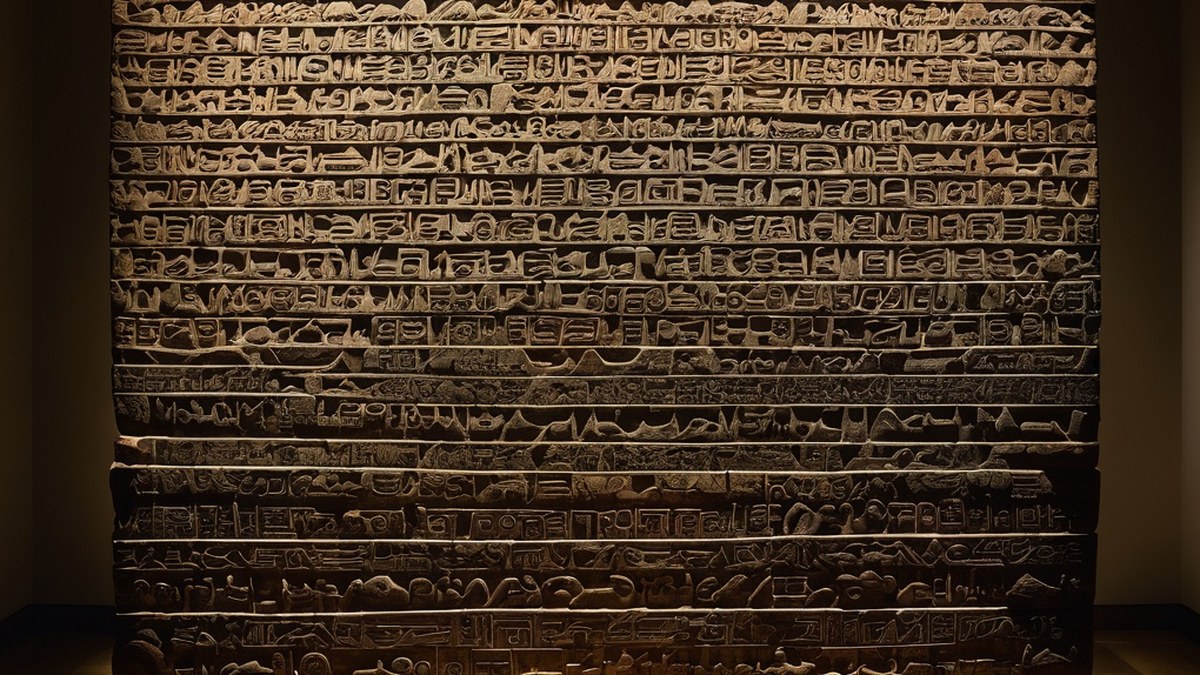
Ancient Egyptian hieroglyphic writing had been in continuous use for over three thousand years before the knowledge of how to read it was gradually lost in late antiquity, as Egypt's traditional religious and scribal institutions declined under Roman rule and the spread of Christianity. By the time European scholars became seriously interested in ancient Egypt starting in the early modern period, hieroglyphs were a complete mystery — widely but wrongly assumed to be purely symbolic or mystical pictographs rather than a genuine writing system encoding actual language. The Rosetta Stone, discovered in 1799 during Napoleon's military campaign in Egypt, carried the same official decree inscribed in three different scripts: hieroglyphs, the simpler demotic Egyptian script used for everyday administrative writing, and ancient Greek, which scholars could already read. This parallel text gave European scholars, most decisively the French linguist Jean-François Champollion, the critical comparative foothold needed to work out hieroglyphic writing's actual structure — Champollion announced his decipherment breakthrough in 1822, finally unlocking the ability to read the vast body of ancient Egyptian texts and inscriptions that had survived but remained meaningless for well over a thousand years.
What If the Rosetta Stone Had Never Been Found?
In 1799, French soldiers rebuilding a fort near the Egyptian town of Rosetta discovered a stone slab inscribed with the same decree in three scripts: Egyptian hieroglyphs, Egyptian demotic script, and ancient Greek. That triple inscription became the key that finally allowed scholars to decipher hieroglyphic writing, which had been unreadable for well over a thousand years.
The History
How It Changed
Imagine the Rosetta Stone, instead of being incorporated into a fort wall where French soldiers happened to find it during renovation work, had been destroyed, lost, or simply never positioned somewhere it would be rediscovered — removing the specific triple-script artifact that gave 19th-century scholars their decisive decipherment foothold.
The Initial Impact
Without the Rosetta Stone specifically, hieroglyphic decipherment would not necessarily have been impossible forever, since other bilingual or trilingual Egyptian inscriptions did exist and some were known to scholars at the time, but the process would very plausibly have taken considerably longer and followed a less direct path, since the Rosetta Stone's specific combination of a relatively well-preserved, clearly parallel text in three scripts was an unusually fortunate discovery.
The Local Picture
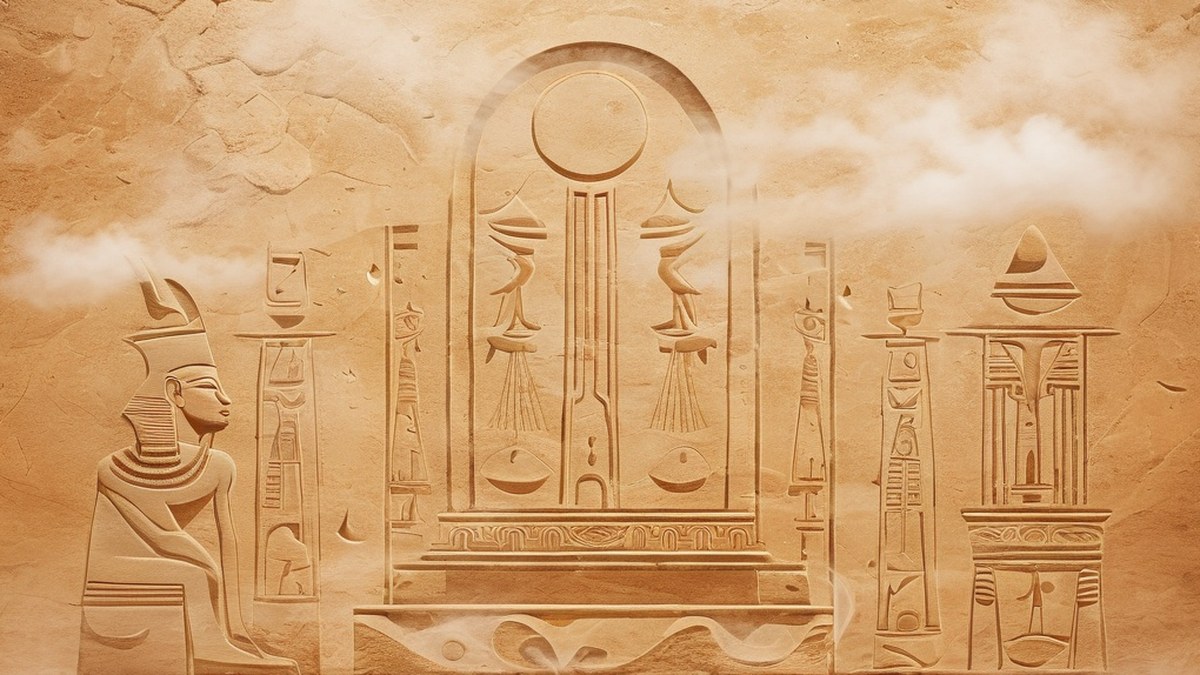
For the field of Egyptology specifically, a significantly delayed decipherment would have meant the entire discipline developed on a different and later timeline — the detailed understanding of ancient Egyptian religion, history, administration, and daily life that decipherment made possible from the 1820s onward would instead remain locked away, with scholars continuing to study ancient Egypt largely through Greek and Roman secondary accounts and physical archaeology alone, without direct access to Egyptian texts in their own words.
The Global Picture
At a broader level, 19th and early 20th-century archaeology and the broader Western fascination with ancient Egypt that decipherment helped fuel — including the intense public interest following later discoveries like Tutankhamun's tomb in 1922, which depended on scholars being able to read the inscriptions found within it — would unfold on a substantially delayed and different timeline, and the delay would compound: major Egyptological discoveries throughout the 19th and 20th centuries depended on an established, functioning community of scholars who could actually read hieroglyphic texts, meaning a later decipherment would plausibly push back the broader field's major milestones by a comparable or even larger margin.
Specific Predictions
The sections above build the case in general terms. Here's what that case actually implies, stated as concrete claims rather than hedged possibilities — still part of the thought experiment, not a verified forecast, but specific enough to agree or disagree with.
- Hieroglyphic decipherment would likely still eventually succeed using other available bilingual inscriptions and comparative linguistic methods, but probably not until several decades later than 1822, given how specifically favorable the Rosetta Stone's combination of preservation, clarity, and parallel scripts was for the task.
- Major 19th and early 20th-century Egyptological discoveries and excavations would proceed on a correspondingly delayed timeline, since large-scale systematic Egyptology as an organized scholarly field developed substantially around the new ability to read and interpret texts found at excavation sites.
- Public and scholarly understanding of ancient Egyptian religion, administration, and daily life — all heavily dependent on readable primary texts rather than physical archaeology and Greek/Roman secondary accounts alone — would remain comparatively limited and speculative for a much longer period.
- Champollion himself, whose scholarly reputation and career were built substantially on his Rosetta Stone decipherment breakthrough, would likely be remembered quite differently in the history of linguistics and Egyptology, if his specific contribution shifts decades later or to a different stone or scholar entirely.

Extreme Scenarios
These push the premise furthest — the least likely, most speculative branches worth considering precisely because they show where the reasoning starts to strain.
A different bilingual inscription is found earlier, keeping decipherment roughly on schedule
If European scholars and antiquarians operating in Egypt and the broader Mediterranean through the 18th and early 19th centuries had encountered a different suitable bilingual or trilingual Egyptian inscription before or instead of the Rosetta Stone, hieroglyphic decipherment could plausibly still have succeeded on a timeline close to its actual one, given how actively antiquarian interest in ancient Egypt was already growing during this period even before 1799 specifically.
Decipherment is delayed by a century or more, fundamentally reshaping Egyptology as a discipline
A more significant possibility: if no comparably clear bilingual inscription surfaces for decades, hieroglyphic decipherment could plausibly have been delayed by a century or more, meaning major Egyptological milestones that actually occurred in the 19th and early 20th centuries — including Tutankhamun's 1922 discovery — might instead happen in the mid-to-late 20th century, with ancient Egyptian history understood by a much later generation of scholars working with correspondingly more modern archaeological and analytical techniques from the outset.
Related Scenarios
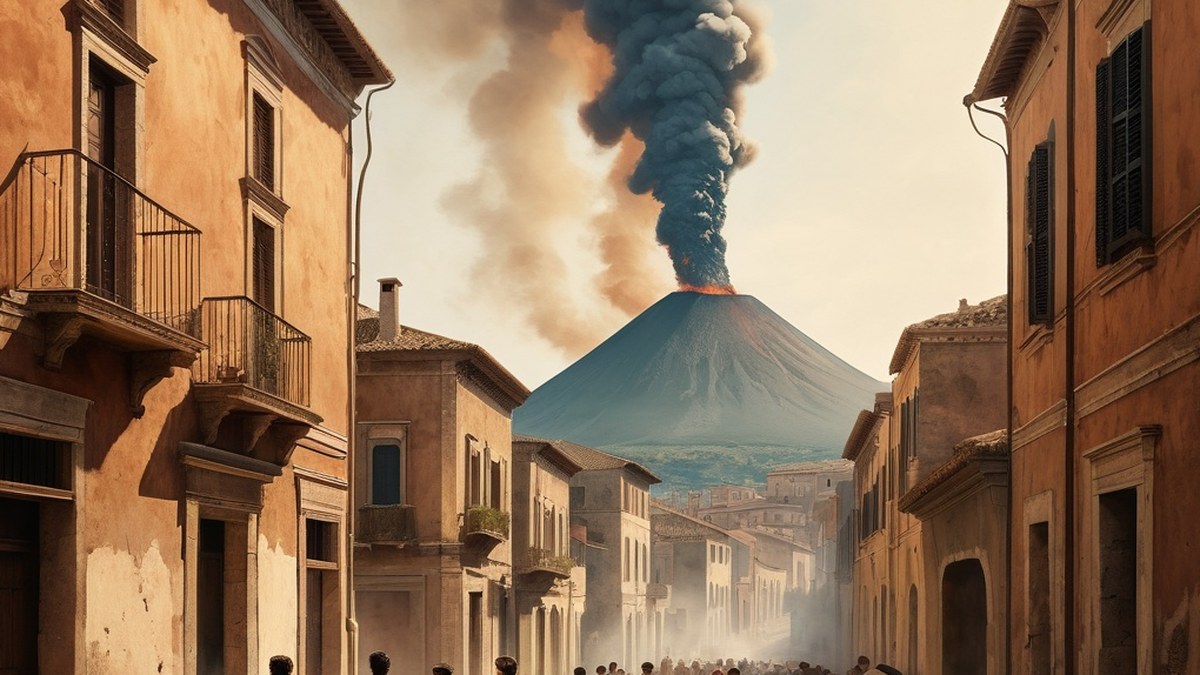
What If Pompeii Had Been Evacuated Before Vesuvius Erupted?
Mount Vesuvius gave weeks of warning — earthquakes, tremors, a swelling of the ground — before it buried Pompeii in 79 CE. Almost nobody in the region recognized these as volcanic warning signs, because nobody living there had ever seen the mountain erupt before.
Read the scenario →
What If the Dead Sea Scrolls Had Been Discovered a Century Earlier, Before Modern Biblical Scholarship Existed?
The Dead Sea Scrolls, discovered by Bedouin shepherds near Qumran in 1946–47, include the earliest known copies of Hebrew Bible texts and transformed modern understanding of Second Temple Judaism and early Christianity. Had the same caves been found around 1847 instead, the discovery would have landed in a radically different world — decades before photographic preservation, modern archaeological method, or the historical-critical biblical scholarship that was only then beginning to take shape.
Read the scenario →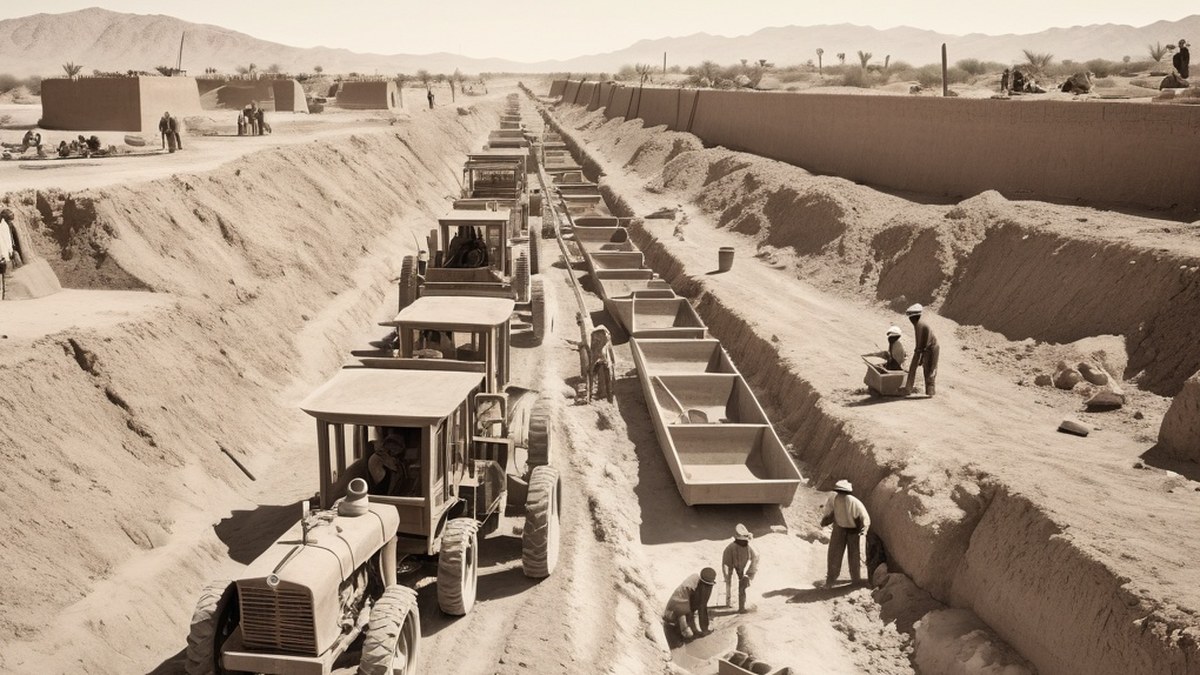
What If the Suez Canal Was Never Built?
For over a decade, Britain actively opposed the Suez Canal project, viewing it as a French-backed scheme that would undermine British maritime dominance built on the long route around Africa. The canal was built anyway — and within a few years, Britain effectively took it over.
Read the scenario →