Yoga's roots stretch back over two thousand years in Indian religious and philosophical traditions, encompassing meditation, ethical principles, breathing practices, and physical postures as part of a broader spiritual discipline aimed at liberation and self-realization, rather than physical fitness as its primary purpose. The specific style of physical, posture-focused yoga now practiced globally — often called modern postural yoga by scholars — developed substantially in early 20th-century India, particularly through the influential teacher Tirumalai Krishnamacharya, who incorporated elements of Western gymnastics, bodybuilding, and physical culture movements into traditional yoga postures, partly in response to colonial-era concerns about Indian physical fitness and partly reflecting genuine cross-cultural exchange happening in India at the time. Krishnamacharya's students, including B.K.S. Iyengar, K. Pattabhi Jois, and Indra Devi, went on to develop their own influential yoga styles and, from the 1950s through the 1970s especially, actively taught and popularized yoga to Western students, with Indra Devi in particular playing a significant role in introducing yoga to Hollywood and American audiences. By the late 20th and early 21st centuries, yoga had become a massive global industry, commonly practiced in secular gyms and studios worldwide, frequently with minimal or no reference to its original religious and philosophical context, a transformation that has itself become a subject of ongoing debate about cultural appropriation and the separation of a spiritual practice from its origins.
What If Yoga Had Remained Purely a Religious Practice, Never Globalized as Exercise?
Yoga originated thousands of years ago in India as a spiritual and religious practice deeply embedded in Hindu, Buddhist, and Jain philosophical traditions. Its transformation into a globally popular, largely secular fitness and wellness practice — often stripped of its original religious and philosophical context — traces substantially to specific individuals and decisions in the early-to-mid 20th century.

The History
How It Changed
Imagine Krishnamacharya and his students' specific innovations and later Western teaching efforts simply don't happen, or fail to gain comparable traction — yoga continues developing within India as a primarily religious and philosophical practice taught within traditional guru-student relationships and religious contexts, without the specific mid-20th-century transformation and Western export that actually occurred.
The Initial Impact
Without modern postural yoga's development and export, yoga throughout the mid-20th century would most plausibly have remained known internationally, if at all, primarily as an element of Hindu and Indian spiritual practice and philosophy, studied by scholars of comparative religion and a smaller number of genuinely dedicated spiritual seekers, rather than becoming a mainstream fitness activity practiced by tens of millions of people worldwide with little connection to its religious origins.

The Local Picture
For the modern global yoga and wellness industry specifically — studios, teacher training certifications, yoga-branded clothing and products, representing a business sector worth tens of billions of dollars worldwide — this entire industry and economic ecosystem simply wouldn't exist in anything like its actual form, since it depends directly on yoga's specific transformation into a secular, exportable physical practice.
The Global Picture
At a broader cultural level, the ongoing debate about yoga's commercialization and separation from its religious and philosophical roots — a genuine, actively discussed issue in Hindu communities and among yoga scholars today, concerning whether global, often secularized yoga practice constitutes appropriation of a sacred Hindu and Indian tradition — would simply not exist as a live cultural conversation, since the underlying global practice generating that tension wouldn't have developed in the first place; more broadly, Western physical culture and wellness trends of the mid-to-late 20th century would have developed without one of their most significant and lasting Eastern-influenced additions, likely leaving more space for other fitness and wellness movements (various Western gymnastics, aerobics, and later Pilates traditions) to fill a comparable cultural niche instead.
Specific Predictions
The sections above build the case in general terms. Here's what that case actually implies, stated as concrete claims rather than hedged possibilities — still part of the thought experiment, not a verified forecast, but specific enough to agree or disagree with.
- The global yoga and wellness industry, currently worth tens of billions of dollars annually across studios, apparel, and related products, would not exist in anything resembling its actual scale, representing one of the largest pure economic-sector absences this site has considered for a culture-and-society scenario.
- Ongoing cultural debates about yoga's commercialization, secularization, and relationship to cultural appropriation of Hindu religious practice would not exist as a live public conversation, since the underlying global secular practice generating this tension wouldn't have developed.
- Meditation and mindfulness practices, which in the actual timeline often spread to Western audiences partly through parallel or overlapping channels to yoga's own popularization, might follow a somewhat different adoption path, though these practices have other distinct historical sources (particularly Buddhist traditions and figures like Jon Kabat-Zinn) that don't depend specifically on yoga's own trajectory.
- India's cultural soft power and global recognition through the 20th and 21st centuries would be measurably different without yoga as one of its most recognizable and widely adopted cultural exports, a status yoga currently holds alongside relatively few other Indian cultural exports with comparable global reach.

Extreme Scenarios
These push the premise furthest — the least likely, most speculative branches worth considering precisely because they show where the reasoning starts to strain.
A different Indian spiritual or physical practice eventually fills a similar global niche
Given the mid-to-late 20th century Western search for alternative spiritual and physical practices beyond mainstream Western religion and fitness culture was a genuine, broader cultural phenomenon with multiple contributing sources (Transcendental Meditation, Zen Buddhism, and various other Eastern-influenced movements all gained Western followings during overlapping periods), it's plausible a different Indian or Asian practice could eventually have filled a roughly comparable cultural niche to the one yoga actually occupies, just without yoga's specific name, postures, and branding.
Yoga remains known but genuinely rare and misunderstood in the West for much longer
A more sobering possibility: without Krishnamacharya's students' sustained, dedicated teaching efforts across multiple decades, yoga could simply have remained a vague, poorly understood Western cultural reference — something people have heard of as an exotic Eastern practice without any real access to learning it properly — for considerably longer than it actually took, since genuine cross-cultural transmission of an embodied practice like yoga depends heavily on the kind of sustained, dedicated individual teaching effort that this scenario removes.
Related Scenarios

What If Sushi Had Never Spread Beyond Japan?
Sushi is now one of the most globally recognized food categories in the world, served everywhere from high-end omakase counters to supermarket refrigerated cases in cities with no historical connection to Japan at all. That global spread was never inevitable — it depended on a specific, fairly recent chain of events.
Read the scenario →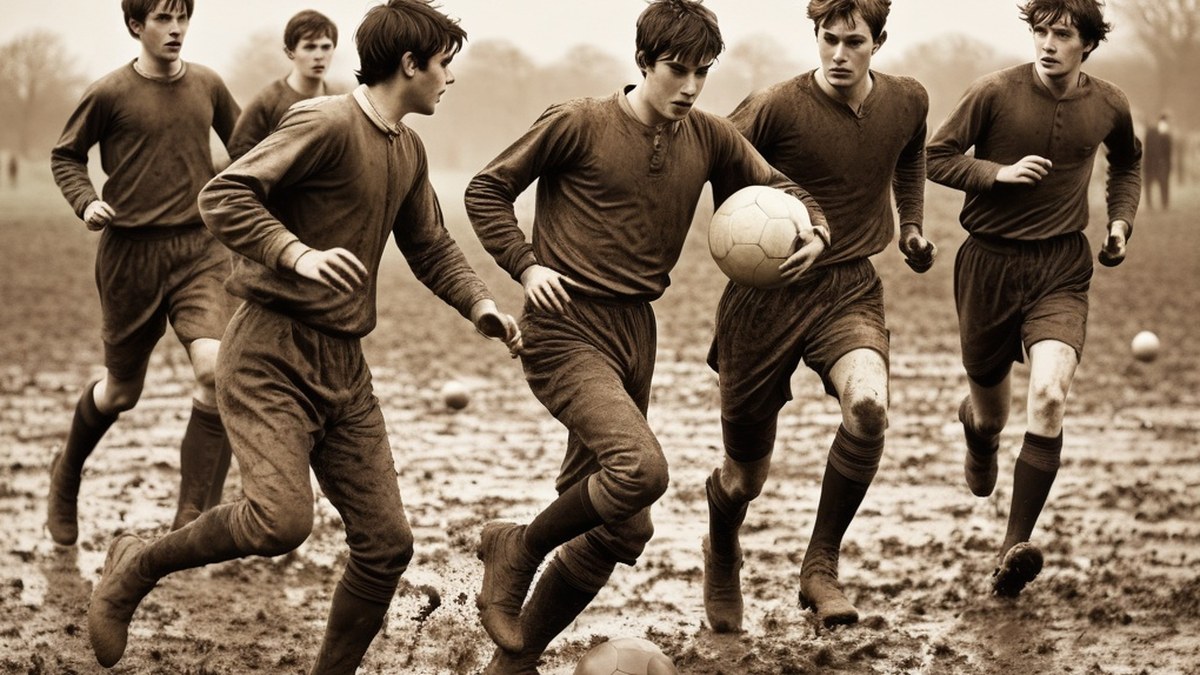
What If Association Football Had Never Standardized Its Rules in 1863?
Before 1863, 'football' in Britain meant dozens of incompatible local variants — some allowing carrying the ball, some not, with wildly different rules on tackling and field size. A single meeting in a London tavern settled on one standard version. Without it, the sport as billions know it today might never have coalesced.
Read the scenario →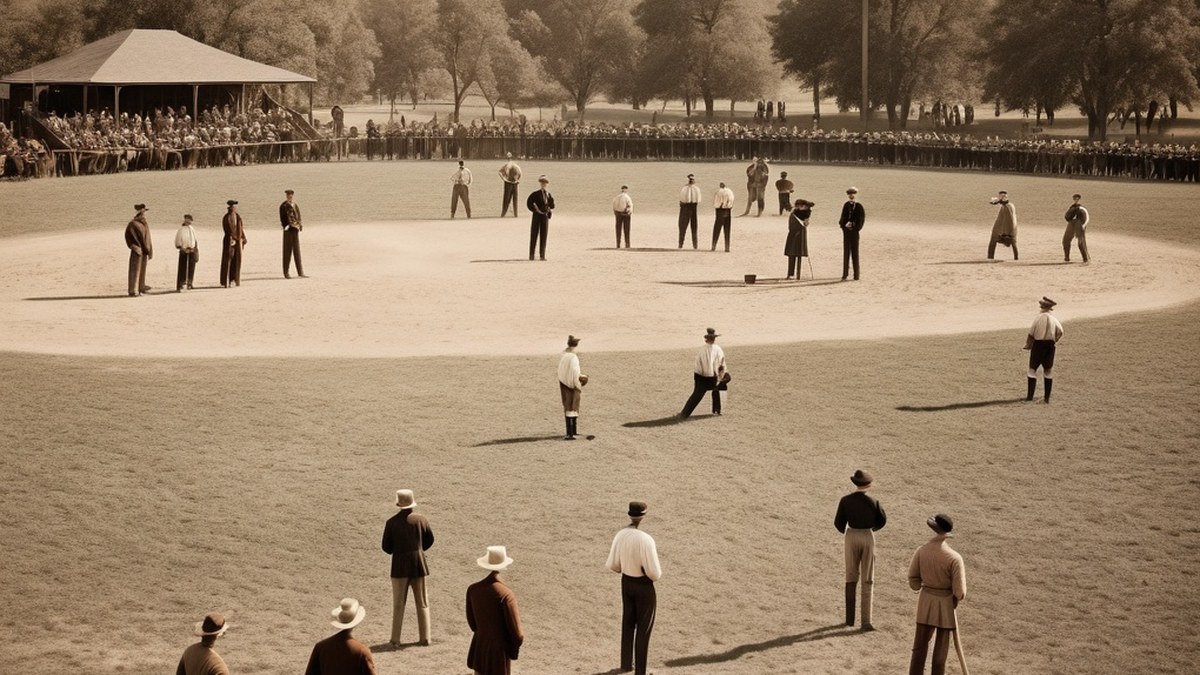
What If Baseball Had Never Become America's Pastime?
In the years right after the Civil War, several bat-and-ball games were competing for popularity across America — and baseball's specific rules weren't obviously destined to win. A well-organized New York club, a printed rulebook, and a war that scattered soldiers who'd learned the game across the whole country did as much to decide the outcome as anything about the sport itself.
Read the scenario →