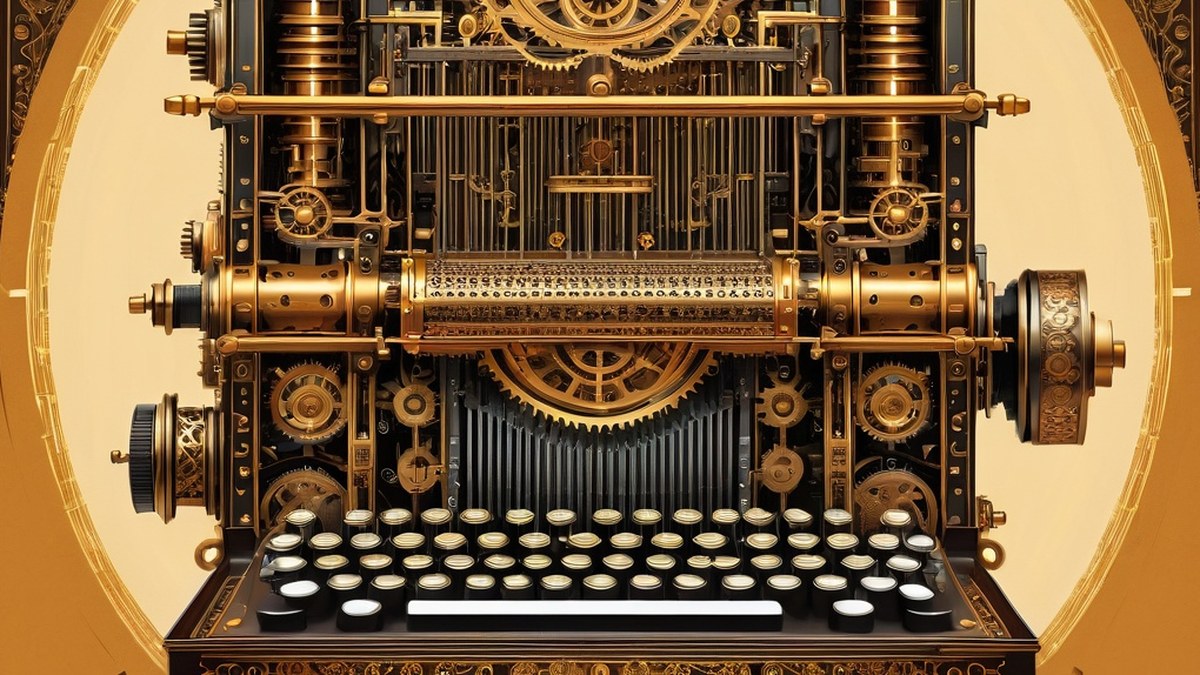
Charles Babbage designed the Difference Engine in the 1820s to automate the calculation of mathematical tables, then conceived the far more ambitious Analytical Engine in the 1830s — a general-purpose machine using punched cards (inspired directly by the Jacquard loom) to be programmed with different sequences of operations, including loops and conditional branching. Ada Lovelace, translating and annotating an Italian paper on the engine, wrote notes describing how it could manipulate symbols generally, not just calculate numbers — reasoning now credited as the first description of a computer program. The machine was never built in Babbage's lifetime: funding from the British government, which had already sunk significant money into the unfinished Difference Engine, dried up amid disputes over cost and progress, and the precision engineering the design required pushed the limits of what Victorian manufacturing could reliably produce. In 1991, the Science Museum in London built a complete Difference Engine No. 2 from Babbage's original drawings, using period-appropriate manufacturing tolerances, and it worked correctly on the first attempt — strong evidence that the earlier failure was practical and financial, not conceptual.
What If Charles Babbage's Analytical Engine Had Actually Been Built in His Lifetime?
Charles Babbage designed the Analytical Engine in the 1830s — a general-purpose, programmable mechanical computer, decades before electricity made computing practical. Ada Lovelace's notes on it describe, correctly, that it could run far more than arithmetic. Funding disputes, manufacturing precision limits, and Babbage's own difficult relationships with backers meant it was never completed before his death in 1871. In 1991, the Science Museum in London built his earlier Difference Engine No. 2 from his original designs and it worked exactly as specified, proving the concepts were sound all along.
The History
How It Changed
Imagine sustained government or private funding, combined with slightly more cooperative relationships between Babbage and his backers, allows the Analytical Engine to actually be completed and operated during Babbage's lifetime — a working, general-purpose, punched-card-programmable mechanical computer running in Britain by the 1850s or 1860s.
The Initial Impact
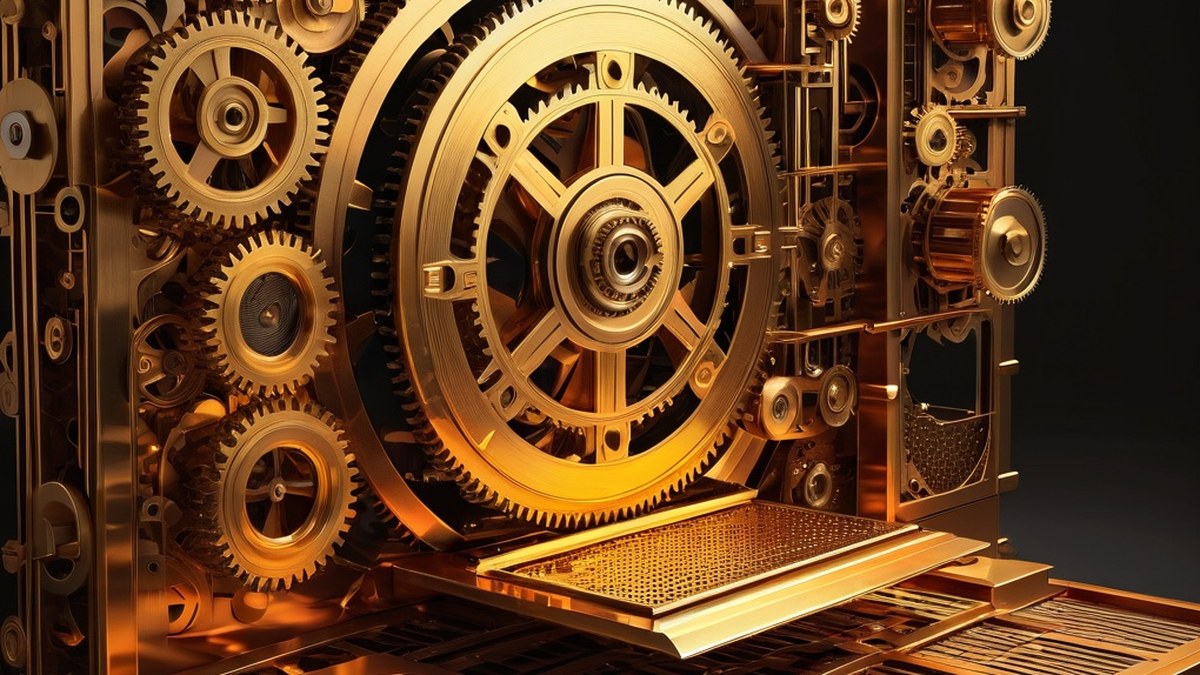
The immediate effect is narrower than it might sound: a working Analytical Engine would be a genuine sensation among mathematicians, astronomers, and the government offices that relied on laboriously hand-calculated tables, but it would remain a single, enormously expensive, delicate machine rather than the start of anything resembling a computer industry — mechanical computing at this scale and precision simply couldn't be mass-produced with Victorian manufacturing.
The Local Picture
For Babbage himself, a working machine would mean the vindication that eluded him in life, where the unfinished project left him embittered and his reputation diminished in his final years. For Ada Lovelace, it would mean recognition in her own lifetime as the person who first understood the machine could run general programs, rather than the largely posthumous recognition she actually received, not substantially revived until the mid-20th century.
The Global Picture
A working Analytical Engine would prove, a full century early, that the core ideas underlying modern computing — stored programs, loops, conditional branching — were mechanically achievable, likely accelerating government and scientific adoption of mechanical calculation for tasks like nautical almanacs, insurance actuarial tables, and astronomical predictions. It would not, however, meaningfully accelerate the arrival of general-purpose electronic computing in the 20th century, since that depended on physics and electrical engineering knowledge (vacuum tubes, then transistors) entirely unrelated to Babbage's mechanical designs — the two paths wouldn't meaningfully intersect.
Specific Predictions
The sections above build the case in general terms. Here's what that case actually implies, stated as concrete claims rather than hedged possibilities — still part of the thought experiment, not a verified forecast, but specific enough to agree or disagree with.
- The British government and Royal Society would adopt the machine for actuarial, astronomical, and nautical table calculations within years of it being demonstrated working, given how much labor it would save on tasks already recognized as important.
- Ada Lovelace would be recognized within her own lifetime as the originator of the idea that the machine could run general programs, rather than this recognition being substantially revived only in the mid-20th century as it actually was.
- Mechanical computing would spread slowly to other industrialized nations as engineers sought to replicate the design, but would remain rare and extremely expensive — a tool for governments, universities, and insurers, not anything resembling a consumer or business computing industry.
- The eventual transition to electronic computing in the 20th century would happen on roughly the same real-world timeline, since it depended on advances in physics and electronics unrelated to Babbage's mechanical approach, rather than being meaningfully accelerated by a working mechanical predecessor.
Extreme Scenarios
These push the premise furthest — the least likely, most speculative branches worth considering precisely because they show where the reasoning starts to strain.
A mechanical 'computing bureau' industry emerges decades early
Governments and large insurers, having seen the Analytical Engine work, commission further machines for their own specialized calculation needs, creating a small but genuine industry of bespoke mechanical computing bureaus serving scientific and financial institutions throughout the second half of the 19th century — a niche, expensive precursor to the much later rise of commercial data processing.
The machine's complexity becomes its own obstacle
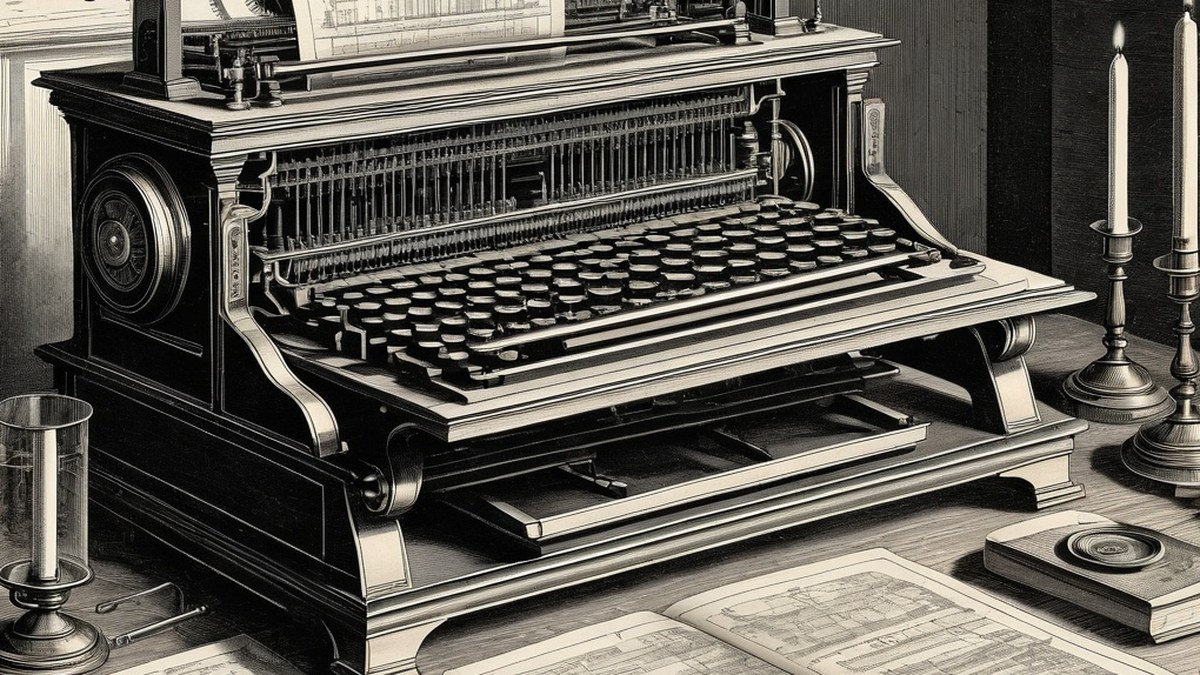
The engine's thousands of precision parts prove so difficult to manufacture, maintain, and repair that it ends up treated more like a cathedral clock — a singular, celebrated feat of engineering requiring constant specialist attention — than a practical working tool, limiting real-world adoption despite the conceptual breakthrough being fully proven.
Related Scenarios

What If Xerox PARC's Graphical Interface Had Been Commercialized by Xerox Itself Rather Than Licensed Out?
Xerox's own research lab, PARC, invented the graphical user interface, the mouse, Ethernet networking, and the laser printer in the 1970s — and then largely failed to turn any of it into a dominant commercial product. Steve Jobs's famous 1979 visit to PARC directly shaped Apple's Lisa and Macintosh. Xerox's own GUI computer, the 1981 Star, was priced far out of reach of most buyers and marketed poorly, and Xerox's leadership never treated personal computing as core to the business the way its photocopier line was.
Read the scenario →
What If Barbed Wire Was Never Invented?
A farmer at an 1873 county fair in Illinois watched a demonstration of a wooden rail fence with metal spikes attached, meant to keep cattle away from a garden. Within a few years, his own patented refinement of the idea had fenced in the entire American West — and ended the open range forever.
Read the scenario →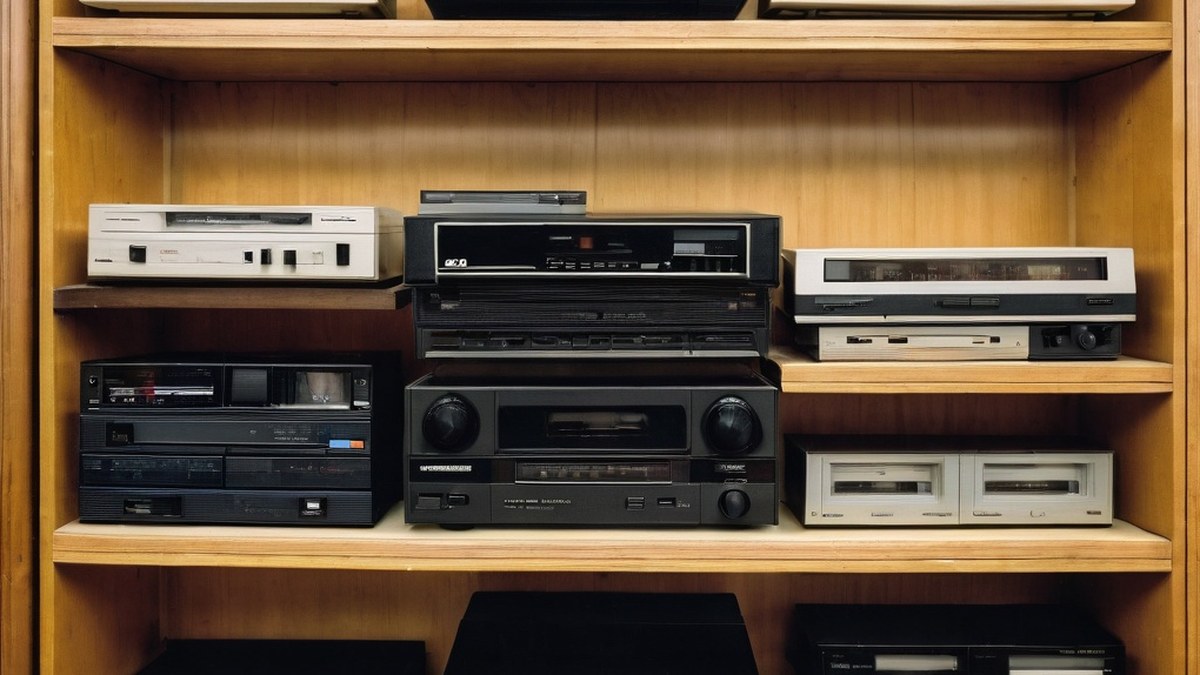
What If Betamax Had Beaten VHS in the Home Video Format War?
Sony's Betamax reached the market a year before JVC's VHS and was widely regarded by engineers as the technically superior format. It lost anyway, within about a decade, in one of the most studied format wars in consumer electronics history.
Read the scenario →