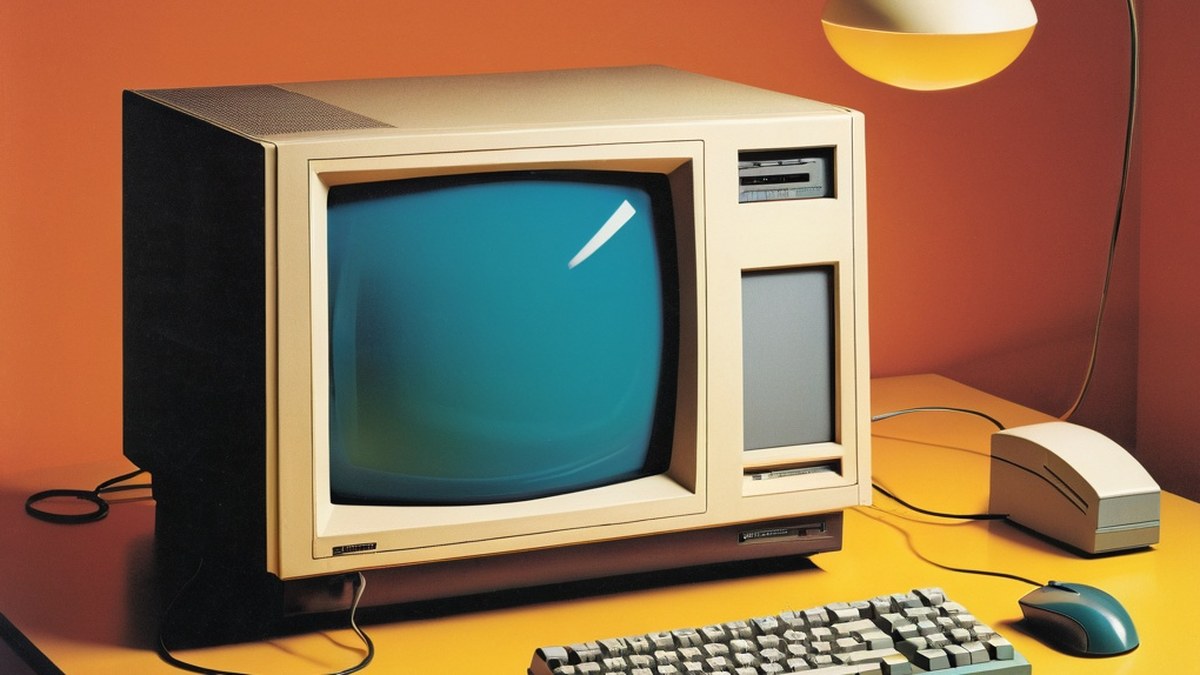
Xerox PARC (the Palo Alto Research Center), founded in 1970, produced an extraordinary concentration of foundational computing inventions through the decade: the Alto computer with a bitmap display and graphical windows, the mouse as a practical pointing device, Ethernet for local networking, and the laser printer. Xerox's own corporate leadership, whose business and culture were built around copiers, struggled to see personal computing as core to the company rather than a research curiosity. When Xerox did commercialize the technology as the Xerox Star in 1981, it was priced at roughly $16,000 — far beyond individual or even most business budgets — and marketed with little of the aggressive consumer focus that later defined Apple's approach. Steve Jobs's 1979 visit to PARC, arranged in exchange for Xerox's venture-capital arm getting to invest in Apple, let Apple engineers see the GUI and mouse directly, decisively shaping the Lisa (1983) and then the far more successful Macintosh (1984). Several PARC researchers, frustrated by the company's failure to commercialize their work, went on to found or join other influential companies, including Adobe, co-founded by PARC alumni John Warnock and Charles Geschke.
What If Xerox PARC's Graphical Interface Had Been Commercialized by Xerox Itself Rather Than Licensed Out?
Xerox's own research lab, PARC, invented the graphical user interface, the mouse, Ethernet networking, and the laser printer in the 1970s — and then largely failed to turn any of it into a dominant commercial product. Steve Jobs's famous 1979 visit to PARC directly shaped Apple's Lisa and Macintosh. Xerox's own GUI computer, the 1981 Star, was priced far out of reach of most buyers and marketed poorly, and Xerox's leadership never treated personal computing as core to the business the way its photocopier line was.
The History
How It Changed
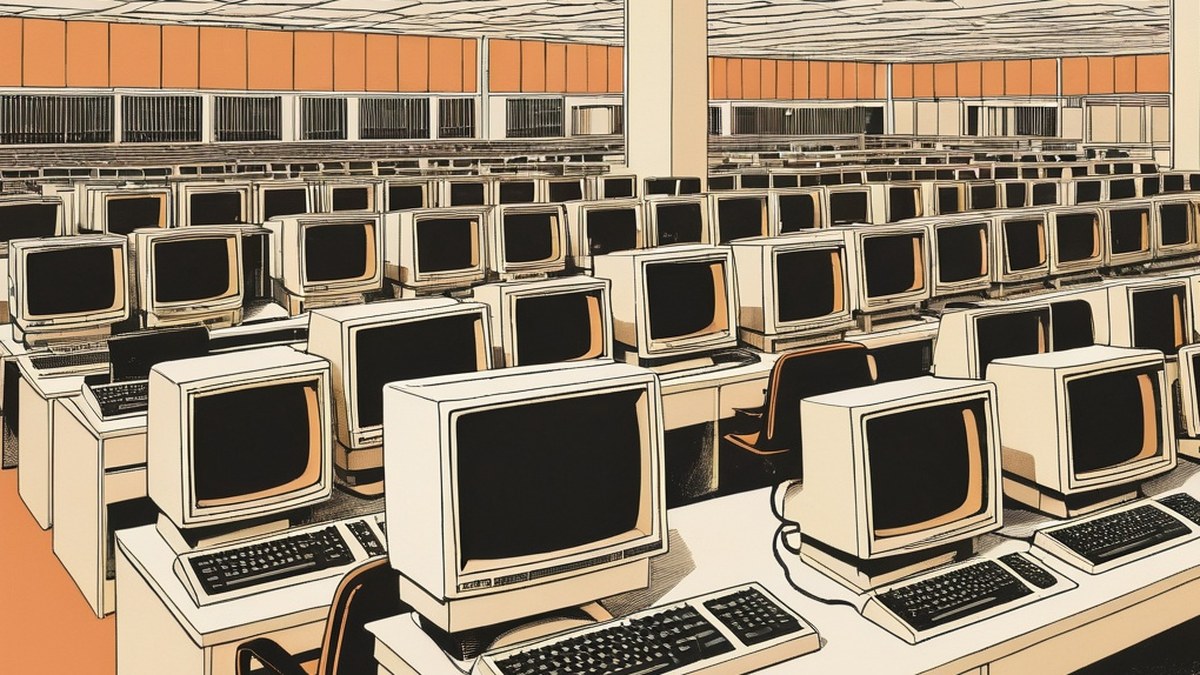
Imagine Xerox's senior leadership in the late 1970s, rather than treating PARC's GUI research as a side project running alongside the much larger copier business, decides to invest seriously in mass-manufacturing and aggressively marketing an affordable successor to the Star — launching it at a genuinely consumer-reachable price point before Apple's Macintosh or IBM's PC established dominance in personal computing.
The Initial Impact
Xerox becomes a direct, well-funded competitor to Apple's nascent Macintosh project and IBM's PC line from the very start of the personal-computing era, rather than unwittingly seeding its most successful future rival through Jobs's 1979 visit — the GUI computing race becomes a genuine three-way fight years earlier than it actually began.

The Local Picture
For PARC's researchers, the professional experience changes substantially: rather than watching their work get commercialized poorly and then more successfully by other companies, several who actually left in frustration to found or join firms like Adobe might instead find room to pursue that work inside a Xerox newly committed to the technology, altering the shape of the broader software industry that those departures helped create.
The Global Picture
The structure of the 1980s personal-computing industry shifts meaningfully, with Xerox racing Apple and IBM for dominance rather than being remembered mainly as the company that invented the GUI and failed to capitalize on it. Price remains the central constraint regardless of Xerox's strategy, though: the hardware GUI computing required — bitmap displays, mice, sufficient processing power — stayed genuinely expensive until semiconductor costs fell further through the mid-to-late 1980s, meaning Xerox's real advantage would be a multi-year head start rather than permanent dominance.
Specific Predictions
The sections above build the case in general terms. Here's what that case actually implies, stated as concrete claims rather than hedged possibilities — still part of the thought experiment, not a verified forecast, but specific enough to agree or disagree with.
- Apple's Macintosh project would still proceed, but would face a well-funded, technologically comparable incumbent competitor from the start rather than entering a near-vacuum in graphical personal computing, likely altering Apple's market position through the mid-1980s.
- Some of the PARC researchers who actually left to found or join companies like Adobe would not do so if Xerox offered meaningful room to commercialize their work internally, changing the shape of the 1980s–90s software industry those departures helped create.
- Hardware cost would remain the dominant constraint on adoption regardless of Xerox's strategy, since affordable bitmap displays and sufficient processing power genuinely didn't exist at consumer price points until the mid-to-late 1980s — Xerox's advantage would be measured in years, not permanence.
- Xerox's core corporate culture and manufacturing specialization, built around copiers, would still create friction in fully pivoting toward consumer computing, even with committed leadership — meaning IBM and Apple would very plausibly close much of the gap by the late 1980s regardless.
Extreme Scenarios
These push the premise furthest — the least likely, most speculative branches worth considering precisely because they show where the reasoning starts to strain.
Xerox becomes the dominant personal computing company of the 1980s
In the most aggressive branch, Xerox's early lead compounds rather than erodes — successive, increasingly affordable GUI computers consolidate Xerox's position as the default personal-computing platform through the decade, with Apple and IBM relegated to the kind of challenger role Apple actually occupied against Microsoft and Intel in our own timeline.
The head start erodes anyway
A more sobering alternative: Xerox's deeply ingrained copier-business culture and manufacturing habits prove too strong to fully overcome even with committed leadership, meaning the company's early technological lead gradually narrows as IBM and Apple catch up by the late 1980s regardless — a case where being first with the right technology wasn't enough to overcome an organization built for a different business.
Related Scenarios
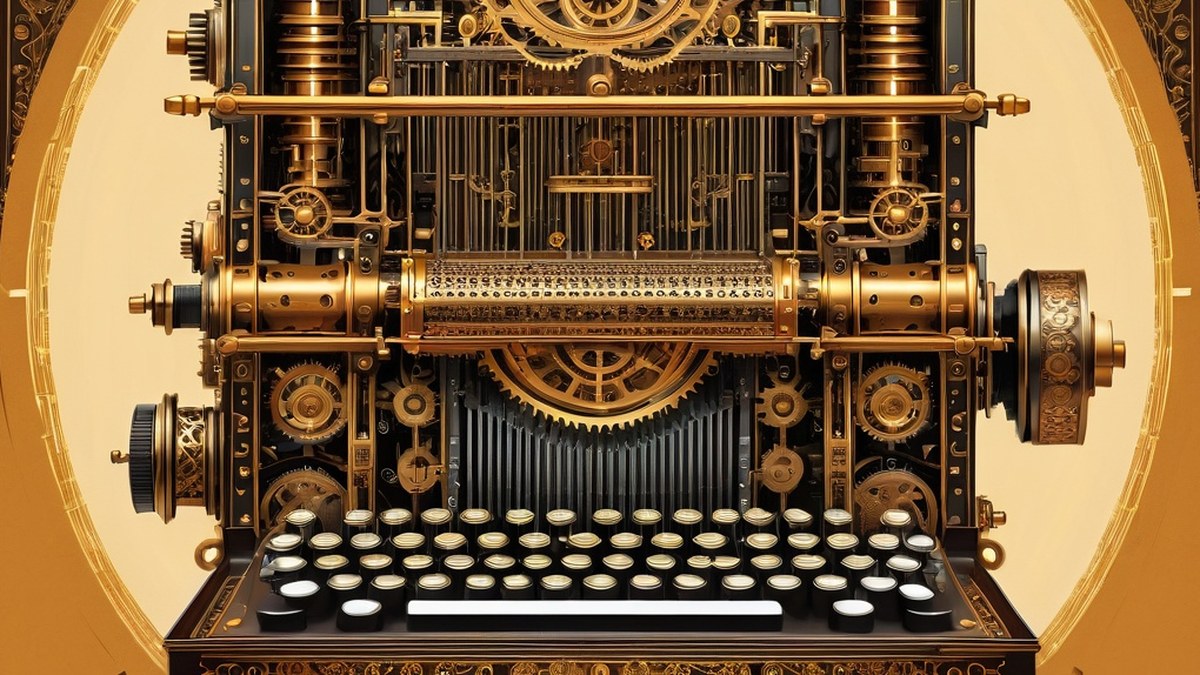
What If Charles Babbage's Analytical Engine Had Actually Been Built in His Lifetime?
Charles Babbage designed the Analytical Engine in the 1830s — a general-purpose, programmable mechanical computer, decades before electricity made computing practical. Ada Lovelace's notes on it describe, correctly, that it could run far more than arithmetic. Funding disputes, manufacturing precision limits, and Babbage's own difficult relationships with backers meant it was never completed before his death in 1871. In 1991, the Science Museum in London built his earlier Difference Engine No. 2 from his original designs and it worked exactly as specified, proving the concepts were sound all along.
Read the scenario →
What If Barbed Wire Was Never Invented?
A farmer at an 1873 county fair in Illinois watched a demonstration of a wooden rail fence with metal spikes attached, meant to keep cattle away from a garden. Within a few years, his own patented refinement of the idea had fenced in the entire American West — and ended the open range forever.
Read the scenario →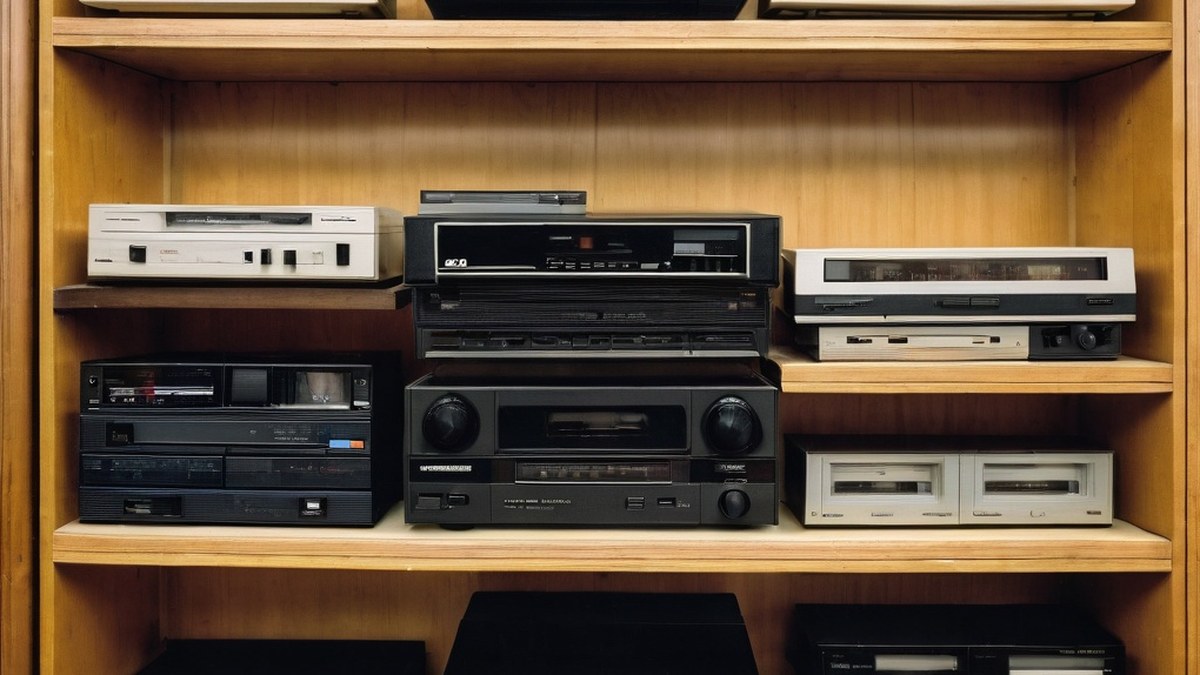
What If Betamax Had Beaten VHS in the Home Video Format War?
Sony's Betamax reached the market a year before JVC's VHS and was widely regarded by engineers as the technically superior format. It lost anyway, within about a decade, in one of the most studied format wars in consumer electronics history.
Read the scenario →