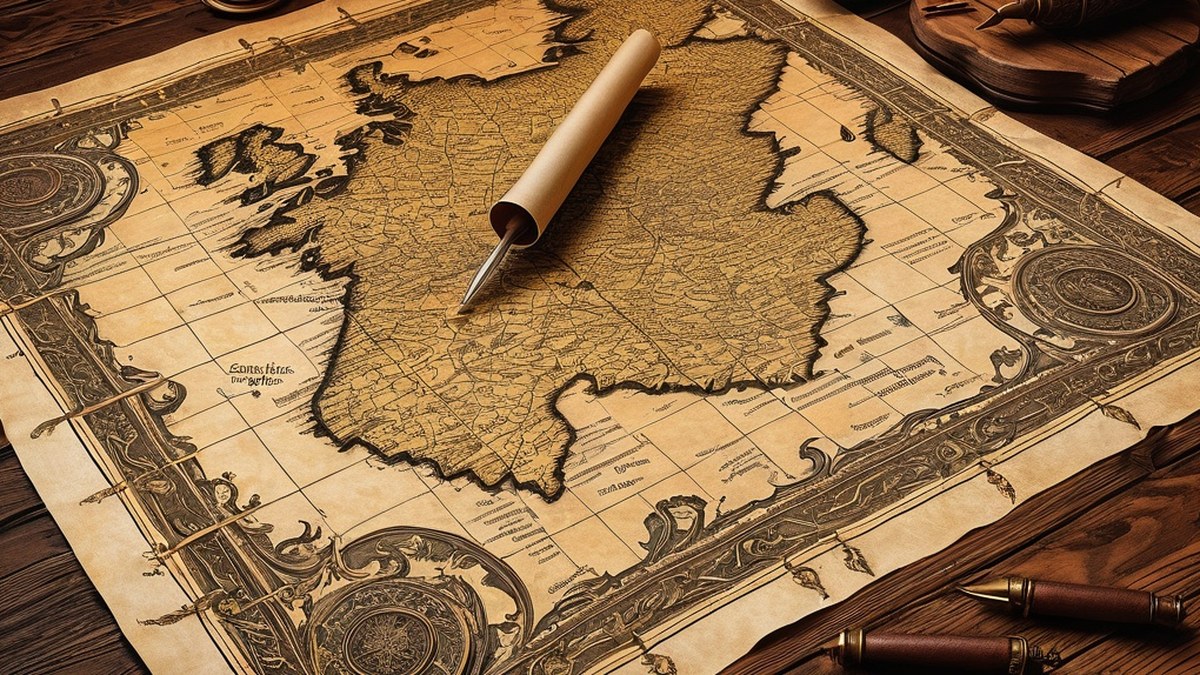
Ibn Battuta, born in Tangier in 1304, undertook roughly three decades of travel across North and West Africa, the Middle East, Central and South Asia, and China, before returning home and dictating his account to a scribe, Ibn Juzayy, commissioned by the Sultan of Morocco. His Rihla (journey) is one of the most detailed firsthand accounts of the medieval Islamic and wider world to survive, including a close eyewitness description of the Mali Empire under Mansa Musa, then one of the wealthiest states in the world through its control of gold and salt trade routes. The account circulated within the Arabic-reading Islamic world but was not substantially translated into a major European language until the 19th century — English scholar Samuel Lee produced a partial translation in 1829, with fuller translations following later — meaning European exploration and geographic thinking through the 14th and 15th centuries, including the Portuguese voyages down the African coast and Columbus's and da Gama's later expeditions, developed without any benefit from his detailed, firsthand knowledge of these regions.
What If Ibn Battuta's 14th-Century Travel Accounts Had Been Translated Into European Languages Immediately?
Ibn Battuta, a Moroccan scholar, spent roughly thirty years (1325–1354) traveling some 120,000 kilometers across the Islamic world, Africa, and Asia, dictating a detailed account — the Rihla — upon his return. It remained confined almost entirely to the Arabic-reading world for centuries and wasn't substantially translated into a major European language until the 19th century, by which point Europe's Age of Exploration had already proceeded largely without the detailed geographic and economic knowledge his account contained.
The History
How It Changed
Imagine a European scholar or merchant — plausibly through Italian trading contacts active in Mamluk Egypt or Ottoman territory, or through Iberian scholarly networks already translating Arabic works — obtains and translates the Rihla into Latin or a European vernacular within a few decades of its composition, making its detailed geographic and economic knowledge available to educated Europeans by the early 15th century, well before the major voyages of the actual Age of Exploration.
The Initial Impact
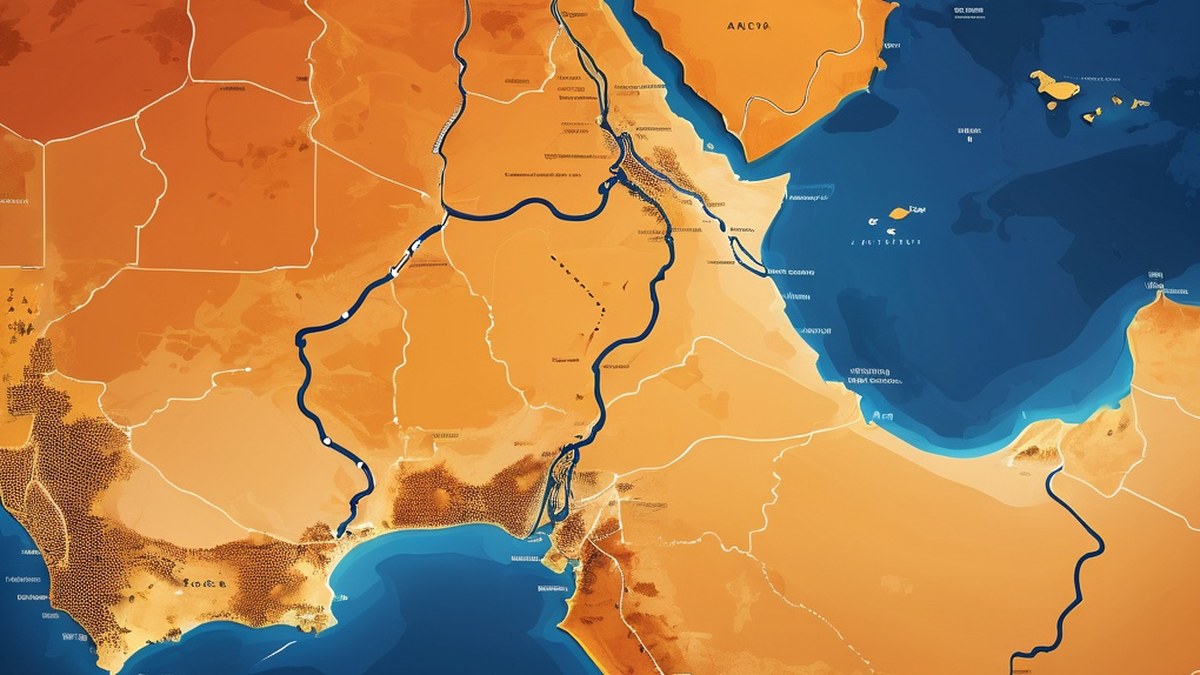
European geographic knowledge of West Africa, the Swahili coast, India, and China becomes substantially richer and more concrete than the vague, often legendary information — including myths like Prester John's kingdom — that actually shaped 14th- and 15th-century European geographic imagination, replacing speculation with a genuine, detailed eyewitness account.
The Local Picture
Mapmakers and merchants in Italian trading centers like Genoa and Venice, and in Iberian port cities already keenly interested in trade-route intelligence, gain concrete details about Mali's gold wealth, the Indian Ocean's existing Islamic-dominated trade network, and the geography connecting them — decades before Portuguese voyages down the African coast actually began supplying comparable firsthand information.
The Global Picture
Portuguese and Spanish exploration planning could shift meaningfully: detailed, credible knowledge of West African kingdoms' wealth and trade networks, rather than the vague secondhand information Europeans actually worked from, plausibly accelerates the pace of Portuguese voyages along the African coast in the 15th century. More accurate knowledge of the Indian Ocean's already thriving, Islamic-dominated trade network might also temper some of the triumphalist 'discovery' framing that characterized actual Age-of-Exploration-era European accounts, since readers would already understand these regions as established, interconnected civilizations rather than lands simply awaiting European discovery.
Specific Predictions
The sections above build the case in general terms. Here's what that case actually implies, stated as concrete claims rather than hedged possibilities — still part of the thought experiment, not a verified forecast, but specific enough to agree or disagree with.
- Portuguese exploration planning in the 15th century would likely incorporate more specific, accurate intelligence about West Africa, particularly Mali's gold wealth, than it actually had — a plausible accelerant to the pace, if not necessarily the ultimate direction, of Portuguese voyages down the African coast.
- European cartography of Africa and Asia in the 14th and 15th centuries would be measurably more accurate and detailed than surviving period maps like the Catalan Atlas, which relied on fragmentary and often secondhand information.
- Ibn Battuta himself would likely become a recognized geographic authority cited by name in European scholarly and merchant circles, rather than remaining essentially unknown in Europe until the 19th century as actually happened.
- Direct trade or diplomatic contact between European merchant powers and the Mali Empire specifically could plausibly develop earlier than any actual historical equivalent, given concrete advance knowledge of the empire's wealth and governance.
Extreme Scenarios
These push the premise furthest — the least likely, most speculative branches worth considering precisely because they show where the reasoning starts to strain.
European powers attempt direct diplomatic contact with Mali generations before any actual historical equivalent
Armed with detailed, credible knowledge of Mali's wealth and political structure, an Italian trading city-state or Iberian kingdom dispatches an early diplomatic or trade mission toward West Africa well before Portugal's actual 15th-century voyages reached comparable regions, opening direct European–West African contact generations earlier than it actually began.
The account is dismissed as exaggeration, the way Marco Polo's was initially
Some European readers treat the sheer scale of Ibn Battuta's described travels and the wealth he describes with the same skepticism that greeted Marco Polo's own account on its earlier introduction to Europe, limiting the translation's real influence on exploration planning despite its early availability.
Related Scenarios

What If the Dead Sea Scrolls Had Been Discovered a Century Earlier, Before Modern Biblical Scholarship Existed?
The Dead Sea Scrolls, discovered by Bedouin shepherds near Qumran in 1946–47, include the earliest known copies of Hebrew Bible texts and transformed modern understanding of Second Temple Judaism and early Christianity. Had the same caves been found around 1847 instead, the discovery would have landed in a radically different world — decades before photographic preservation, modern archaeological method, or the historical-critical biblical scholarship that was only then beginning to take shape.
Read the scenario →
What If Vasco da Gama's Voyage to India Had Failed?
Vasco da Gama's 1497-1499 voyage around Africa to India opened the first direct European sea route to Asian spice markets, breaking centuries of Venetian and Arab intermediary control over the trade. It was an extraordinarily risky expedition — most of his crew died, and the fleet came close to disaster more than once. A failed voyage would have left the spice trade, and Portugal's entire imperial trajectory, on a very different path.
Read the scenario →
What If Alan Turing Had Lived to Lead Machine Learning Research in the 1960s?
Alan Turing died in June 1954, at 41, following his 1952 prosecution for homosexuality (then a crime in Britain) and the chemical castration imposed as an alternative to prison. His 1950 paper "Computing Machinery and Intelligence" — which proposed the Turing Test and speculated seriously about machine learning — suggests a mind already moving well beyond his wartime codebreaking work toward exactly the questions AI research would spend the next seventy years pursuing.
Read the scenario →